
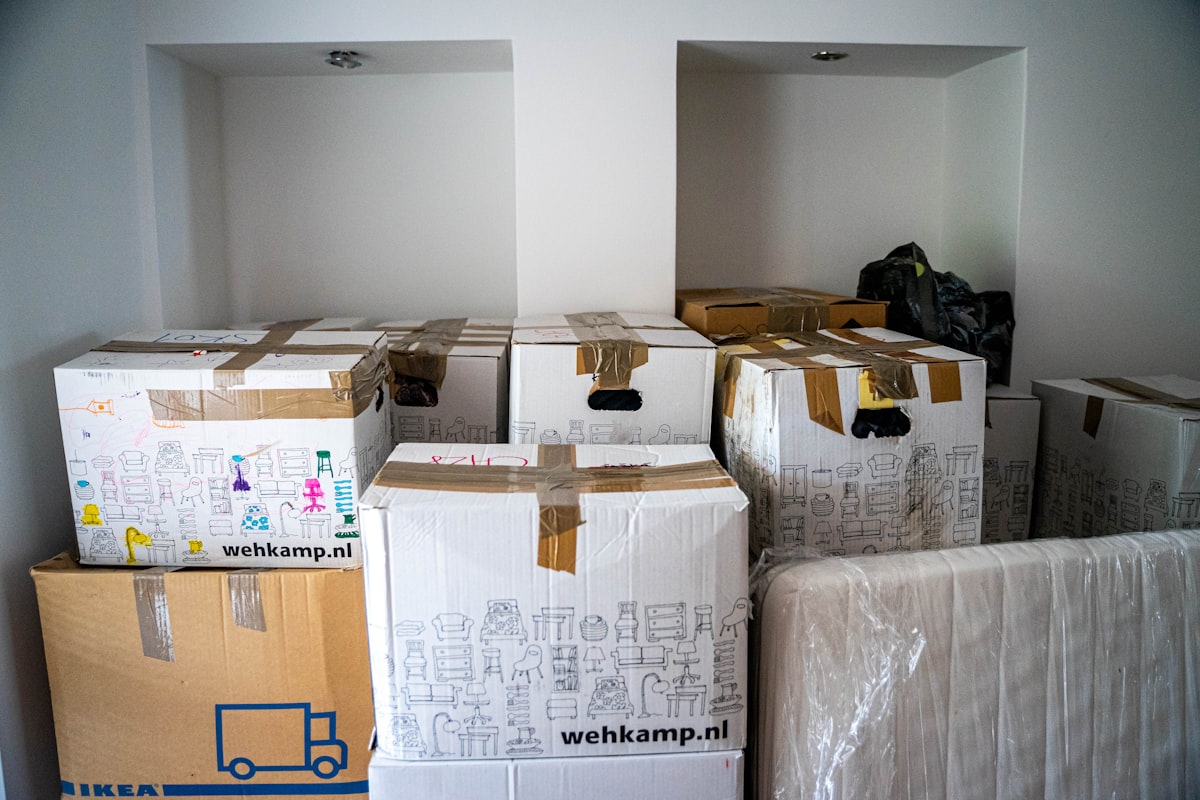
Downsizing — moving to a smaller, more manageable home — is one of the most significant financial decisions many older adults will ever make. Done well, it can release substantial capital, reduce running costs, and make daily life much easier. Done without proper thought, it can leave people feeling cramped, isolated, and regretful. Here is how to think it through clearly.
What are the real financial benefits of downsizing?
If you own a larger home outright or with a small mortgage, moving to a smaller property can release a significant lump sum. For someone moving from a four-bedroom house to a two-bedroom flat, the difference in value could be £100,000, £200,000, or more depending on where you live.
That capital can be used to:
- Supplement your pension income
- Help your children or grandchildren onto the property ladder
- Pay for care in later life
- Invest for long-term income
- Simply enjoy — travel, experiences, comfort
Beyond the lump sum, a smaller property typically costs less to heat, insure, and maintain. Council Tax may also be lower if you move to a smaller band property.
What are the costs of moving that people often underestimate?
The headline equity release figure can be deceptive. Moving house is expensive, and the costs quickly add up:
- Estate agent fees: typically 1–3% of the sale price
- Conveyancing (solicitor) fees: £1,500–£3,000 or more
- Stamp Duty Land Tax: if the new property costs over £250,000 (though the first £250,000 is exempt for most buyers)
- Removal costs: £1,000–£3,000 for a local move, more for long distances
- Repairs and redecoration: making a new property feel like home
On a £400,000 sale, moving costs could easily reach £15,000–£20,000 before you see any benefit. Build this into your calculations before assuming a specific sum will be released.
What about the emotional side — is downsizing ever regretted?
Yes — and it is more common than people expect. Research from Age UK and housing charities consistently shows that many people who downsize do so primarily for financial reasons, without giving enough weight to what they are leaving behind:
- A garden they loved
- Space to have grandchildren stay
- A spare room that served as a studio, workshop, or reading room
- Neighbours and a community built over decades
- The family home where children grew up
None of these are reasons not to move — but they are reasons to be honest with yourself about what you are giving up, and whether the trade is worth it for you specifically.
What type of property should you consider?
The right property depends on your current and likely future needs. Options worth considering include:
- A smaller house or bungalow: retains outdoor space and feels familiar; bungalows suit those with joint problems or who want to avoid stairs
- A flat or apartment: low maintenance and often good security; check service charges carefully — they can be substantial
- Retirement housing: age-restricted developments (typically 55+) with a communal lounge, on-site manager, and social activities; some are leasehold with high service charges
- Extra care housing: similar to retirement housing but with on-site care available as needs increase — a good middle ground between independent living and a care home
Should you move to be nearer family?
Relocating to be closer to children or grandchildren is a common motivation — and it can work very well. But it carries its own risks:
- Family circumstances change — children may move for work
- You leave your own support network of friends and familiar services behind
- A new area takes time to feel like home
If you are considering this, renting in the new area for six to twelve months before buying gives you a chance to test whether the location genuinely suits you.
What practical steps should you take before deciding?
- Get your current home valued by at least two estate agents
- Research prices of properties you would realistically buy in the area
- Calculate all moving costs and subtract them from your projected equity release
- Talk to an independent financial adviser about what to do with any released capital
- Visit potential new areas at different times of day and week
- Consider renting out a room in your current home first — it may meet your financial needs without requiring a move
There is no universally right answer. Downsizing suits some people enormously; others are better staying put and adapting their current home. The key is to make the decision based on honest, detailed thinking — not assumptions or pressure.
Useful resources for downsizing
Housing advice for older people: ageuk.org.uk/housing-options
Retirement housing guide: housingcare.org
Independent financial advice: unbiased.co.uk
Advertisement
Your name was no accident.
NumberVeil turns your full name into a free personalised numerology reading — your Expression, Soul Urge and Personality numbers, revealed in seconds.
Get your free reading →
Leave a Reply