Quick answer: As you get older, your body finds it harder to cool itself down, which makes hot weather genuinely dangerous — not just uncomfortable. The most important things you can do are drink water regularly even when you don’t feel thirsty, keep at least one room of your home cool by closing curtains on the sunny side, and avoid being out in direct sun between 11am and 3pm. If you feel dizzy, confused, or stop sweating despite the heat, seek help straight away.
Why does hot weather become more dangerous as we age?
It’s not just your imagination — hot weather is genuinely harder to cope with in your 50s, 60s, and beyond than it was when you were younger. Several things change as we age that make the body less efficient at dealing with heat.
Your sweat glands become less effective, so your body produces less sweat — and sweating is your primary cooling mechanism. Your circulation also slows, meaning warm blood doesn’t move as efficiently from your core to your skin where heat can escape. And critically, your sense of thirst becomes blunted, so you may not realise you’re dehydrating until it’s already a problem.
People living with heart disease, diabetes, kidney problems, or dementia face added risk in hot weather. The UK Health Security Agency updated its hot weather guidance on 23 June 2026, specifically urging people over 55 to take summer heat seriously and not to dismiss warning signs as simply “feeling a bit tired.”
How much should I be drinking in hot weather?
The NHS recommends at least 6–8 glasses of fluid a day in normal conditions. In warm or hot weather, you need more — aim for around 2 litres throughout the day, and a little extra if you’ve been active or if it’s a particularly hot day.
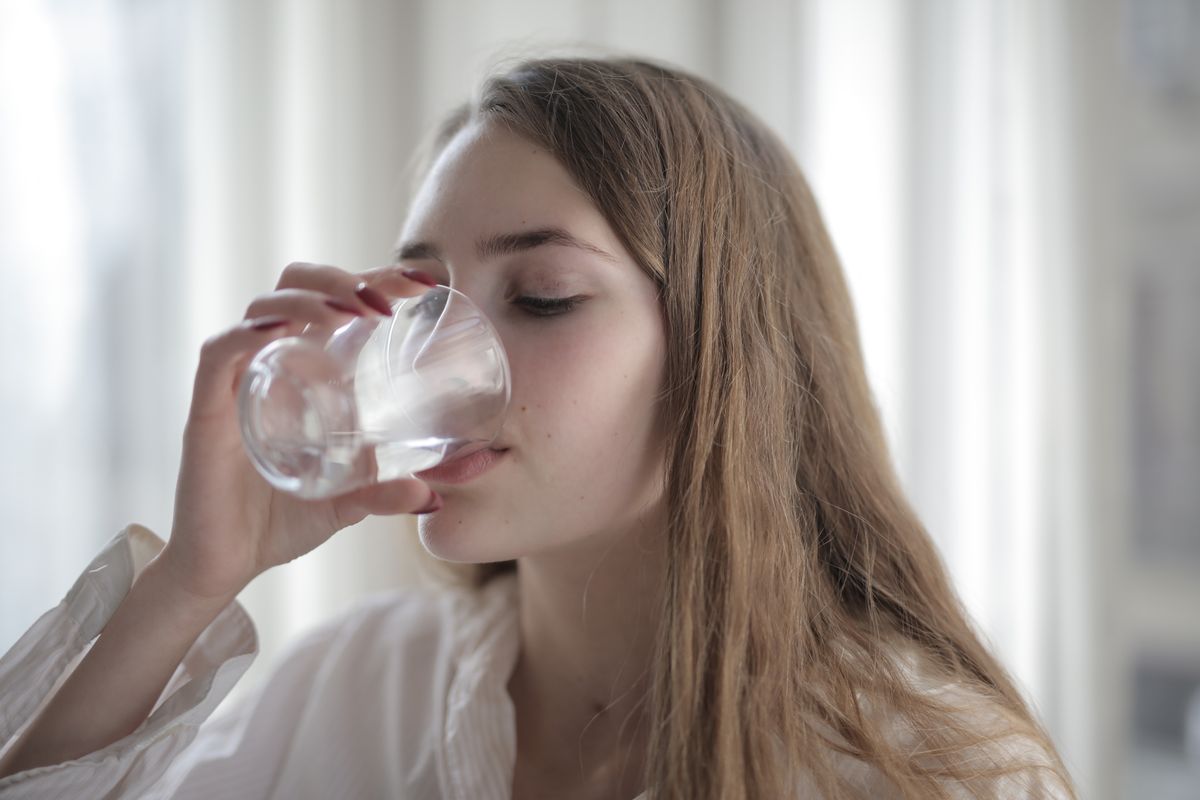
The golden rule is don’t wait until you’re thirsty. By the time thirst kicks in, you’re already mildly dehydrated. Instead, build drinking into your routine: a glass when you wake up, one with each meal, and one mid-morning and mid-afternoon.
- Good choices: water, diluted squash, lower-fat milk, herbal teas (hot or cold)
- Hydrating foods: cucumber, melon, strawberries, tomatoes, and yoghurt are all high in water content
- Limit alcohol: it’s a diuretic — you lose more fluid than you take in
- Moderate caffeine: tea and coffee are fine in moderation, but don’t rely on them as your main fluid source
How can I keep my home cool without air conditioning?
Most UK homes don’t have air conditioning — but there are effective ways to stay cool without it. Think of your home like a thermos flask: the goal is to trap cool air in and keep hot air out during the day, then reverse that at night.
- Close curtains and blinds on sunny sides during the day. South- and west-facing windows let in the most heat. This single step can drop indoor temperatures by several degrees.
- Open windows at night when the outside air cools — usually from around 9–10pm onwards — to let the heat out and cool air in.
- Move downstairs during the day if possible. Heat rises, so ground-floor rooms stay cooler.
- A damp flannel on your wrists and neck cools you quickly because the blood vessels there are close to the surface.
- Avoid using the oven during the hottest part of the afternoon — cook earlier in the day or prepare cold meals instead.
What are the signs of heat exhaustion — and when should I call for help?
Heat exhaustion is serious but treatable if caught early. Heatstroke — the next stage — is a medical emergency. It’s worth knowing the difference before summer really gets going.
Heat exhaustion typically involves: heavy sweating, dizziness or feeling faint, nausea, headache, pale and clammy skin, and a fast but weak pulse. If you or someone you know has these symptoms, move to a cool room, sip cold water slowly, and apply cool damp cloths to the skin. If symptoms don’t improve within 30 minutes, call NHS 111.
Heatstroke is more alarming: confusion or slurred speech, a very high temperature (above 40°C), stopping sweating despite the heat, a rapid strong pulse, and possible loss of consciousness. This is a 999 emergency — do not wait.
Which medicines can make me more vulnerable to the heat?
This is something many people don’t know, and it’s worth a conversation with your GP or pharmacist before the hottest weeks arrive. A number of very common medicines affect how your body handles heat:
- Diuretics (“water tablets” such as furosemide) increase fluid loss through urine, raising dehydration risk significantly
- Beta-blockers (bisoprolol, atenolol, and others) can limit your heart’s ability to respond to heat
- Antihistamines — including common hay fever tablets — can reduce sweating, impairing your cooling system
- Antidepressants and antipsychotics affect temperature regulation in different ways depending on the type
- Blood pressure medications can interact with the dilation of blood vessels caused by heat, sometimes leading to dizziness or falls
Never stop taking medication without speaking to your doctor first — but do raise the subject. Asking your GP “do any of my medicines affect how I handle hot weather?” is a completely reasonable and sensible question.
How can I look out for a neighbour or friend during a heatwave?
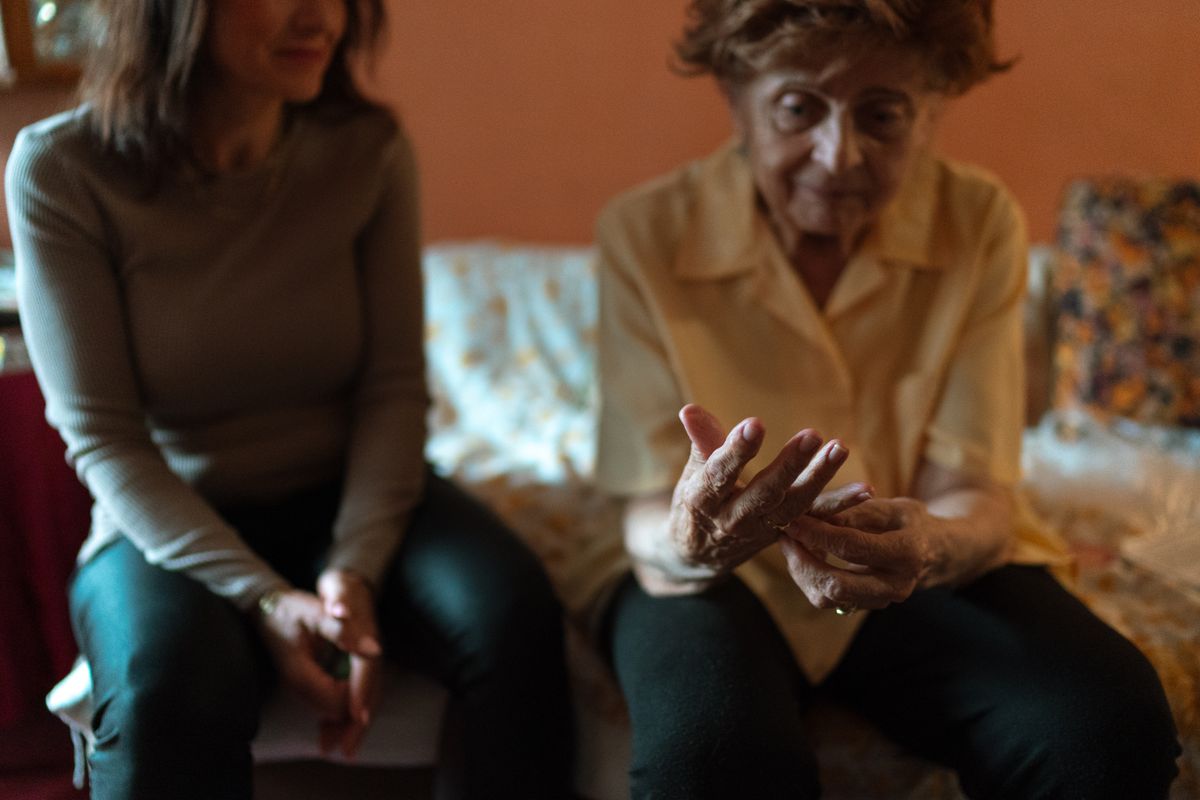
One of the most valuable things you can do during hot weather is look out for others — especially people who live alone, have limited mobility, or rarely leave the house. Isolation and heat are a dangerous combination, and NHS guidance consistently highlights social connection as one of the best protections against heat-related harm.
A quick phone call or knock on the door can genuinely make a difference. If you visit in person, keep an eye on a few simple things:
- Is there water nearby — and have they actually been drinking it?
- Is the room uncomfortably warm? Are curtains drawn on the sunny side?
- Do they seem confused, more tired than usual, or unsteady on their feet?
- Are they wearing light, loose clothing?
You don’t need to be a formal carer to do this. Being a neighbour is enough.
What are the key things to remember?
- Drink regularly throughout the day — don’t wait for thirst to remind you
- Close curtains on sunny sides of the house during the day; open windows at night
- Ask your GP or pharmacist whether any of your medicines increase your risk in hot weather
- Know the difference: heat exhaustion – call NHS 111; heatstroke – call 999
- Check in on neighbours and friends — a brief visit or phone call can genuinely save a life