
Revolut is one of the most practical travel tools available to UK travellers — and it is free to use at a basic level. It gives you near-perfect interbank exchange rates, fee-free ATM withdrawals up to a monthly limit, and a growing range of travel features built directly into the app. This guide explains what it offers, how the different plans compare, and how to use it smartly.
What is Revolut and how does it work?
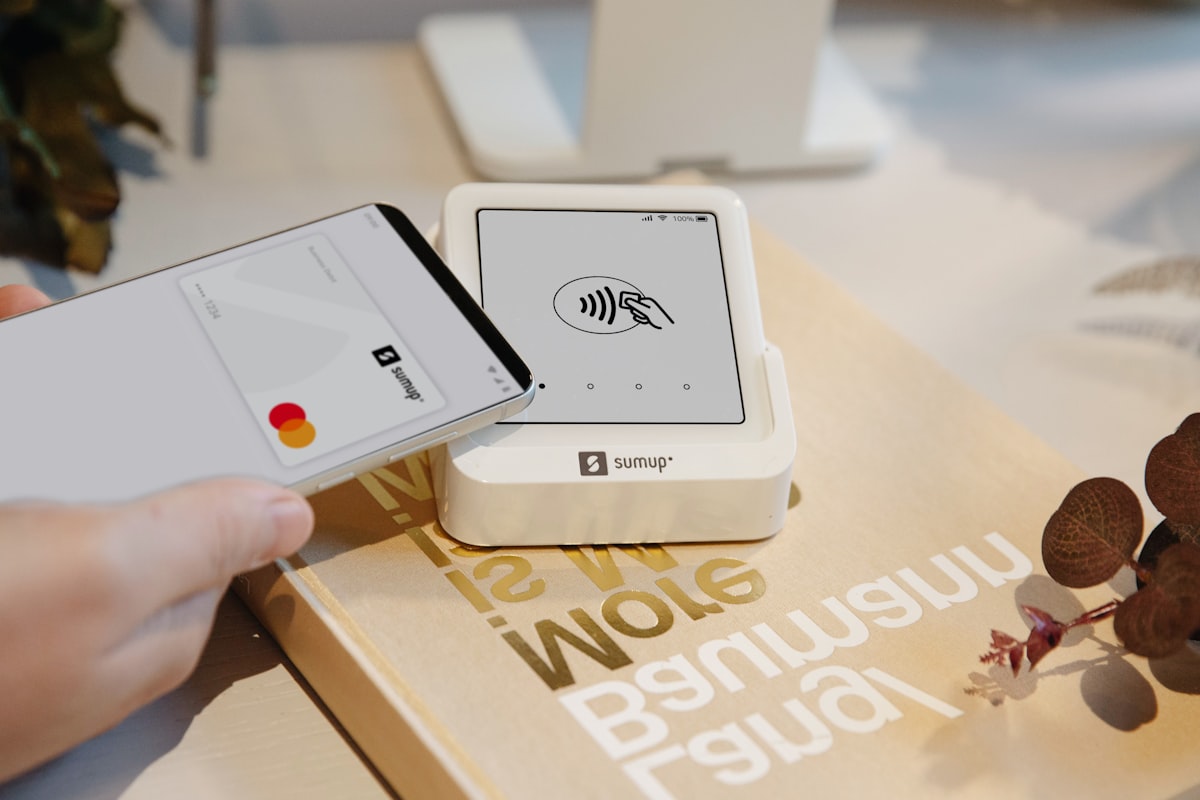
Revolut is a digital bank account and prepaid card that you manage entirely through a smartphone app. You load money onto it from your regular bank account, and then spend it abroad using the Revolut card — either a physical card or via Apple Pay or Google Pay on your phone.
The key advantage over a traditional debit or credit card is the exchange rate. Most high street banks add a margin of 2–3% on top of the interbank rate when you spend abroad — sometimes more. Revolut uses the interbank rate directly, which is the best rate available. On a two-week European holiday spending £2,000, that difference alone can save £40–£60.
How do you keep your money safe if the card is lost or stolen?
This is worth thinking about before you travel, and one approach that works particularly well is to keep only a limited amount on your Revolut card at any one time — for example, £500. If the card is stolen, the maximum you can lose is capped at that amount, while your main bank account and savings remain completely untouched.
You can top up quickly from your regular bank account via the app, so running low is never a problem — you simply transfer more when needed. Revolut also lets you freeze the card instantly from the app if you suspect it has been lost or compromised, and you can set spending limits and disable certain transaction types (such as online payments or ATM withdrawals) as an added layer of control.
How does multi-currency spending work?
Revolut allows you to hold and exchange over 30 different currencies within the app. You can convert money in advance — useful if you want to lock in a rate before a trip — or simply let the app convert automatically when you spend.
On the free Standard plan, fee-free currency exchange is available on weekdays up to £1,000 per month. Beyond that limit, a small fee applies (typically around 0.5%). On paid plans (Premium, Metal, and Ultra), the limit increases significantly — up to unlimited exchange on the top tiers. For most leisure travellers, the Standard plan’s £1,000 monthly limit is more than sufficient.
One important note: Revolut applies a small weekend surcharge on currency exchange (typically 0.5–1%) to account for currency markets being closed on Saturdays and Sundays. If you are planning a large currency conversion, doing it on a weekday is marginally better value.
Can you withdraw cash abroad without paying fees?
Yes — up to a monthly limit, depending on your plan:
- Standard (free): £200 per month fee-free, then 2% on amounts above that
- Plus (£3.99/month): £200 per month fee-free
- Premium (£7.99/month): £400 per month fee-free
- Metal (£14.99/month): £800 per month fee-free
- Ultra (£45/month): £2,000 per month fee-free
Note that some local ATM operators charge their own fees regardless of which card you use — this is increasingly common in tourist areas. Always select the option to be charged in the local currency (not pounds) to avoid the ATM’s own poor exchange rate.
What is Travel Mode and is it useful?
Introduced in 2025, Travel Mode is a dedicated section within the Revolut app that activates when you are abroad. It provides:
- Hyper-local recommendations — restaurants, attractions, and services near your location
- ATM maps — showing nearby cash machines, useful in unfamiliar areas
- Travel spend controls — set daily or trip budgets directly within the app
- Spend Map — a visual breakdown of where you have spent money by country and category, helpful for tracking holiday spending
The Spend Map in particular is a feature that many regular Revolut users find genuinely useful — it gives you a clear picture of what each trip actually cost, broken down by category, without having to go through bank statements manually.
What is an eSIM and can Revolut provide one?
An eSIM is a digital SIM card built into your phone that lets you connect to a local mobile network abroad without swapping out your physical SIM. This means you can use local data rates — which are often significantly cheaper than your UK provider’s roaming charges — while keeping your UK number active for calls and texts.
Revolut allows you to purchase local eSIMs directly within the app, covering destinations across Europe, the Americas, Asia, and beyond. This is a genuinely useful addition for travellers who use a lot of data or who visit countries where roaming charges remain high. Your phone needs to be eSIM-compatible — most smartphones made after 2020 are, but it is worth checking before your trip.
How does the RevPoints loyalty scheme work?
RevPoints are Revolut’s loyalty points, earned on everyday card spending and through bookings made via Revolut Stays — the app’s accommodation platform, which offers access to over 1.8 million properties worldwide.
Points can be redeemed for:
- Air miles — transferred to partner airlines including British Airways (Avios), KLM, and Air France
- Hotel discounts — for example, 5,000 points can provide up to €100 off a stay booked through the app
- Revolut Experiences — local activities such as walking tours, yacht cruises, hot air balloon rides, and spa breaks
The earn rate depends on your plan — paid plan holders earn points faster. For occasional travellers on the Standard plan, points accumulate slowly, but for regular users they represent a useful bonus on spending you would make anyway.
Is it worth paying for a Premium, Metal, or Ultra plan?
The paid plans add a meaningful set of travel benefits:
- Airport lounge access — discounted or unlimited depending on tier (useful if you travel frequently and do not already have lounge access via a credit card)
- Travel insurance — medical and travel cover included with Premium and above, which could offset the monthly cost if you would otherwise buy a separate policy
- Higher ATM limits — as detailed above
- Faster RevPoints earning
For most people who travel two or three times a year, the Standard plan is perfectly adequate. The Premium plan at £7.99/month becomes worth considering if you would otherwise pay separately for travel insurance — a standalone annual European travel insurance policy can easily cost £50–£100 or more, so the maths can work in Premium’s favour.
What should you watch out for?
- Revolut is not a full bank — in the UK it holds a banking licence but your deposits are protected under the Financial Services Compensation Scheme (FSCS) up to £85,000, the same as a high street bank. However, it is still prudent not to use it as your only account.
- Weekend exchange rates — as noted, a small surcharge applies on Saturdays and Sundays
- Local ATM fees — outside Revolut’s control; always choose to pay in local currency
- App dependency — everything is managed through the app, so ensure your phone is charged and you have a backup payment method
Getting started with Revolut
Download the app: revolut.com — available on iPhone and Android, free to download
Compare plans: revolut.com/pricing
Check eSIM compatibility: Settings → About on your phone, or check with your handset manufacturer
Advertisement
Your name was no accident.
NumberVeil turns your full name into a free personalised numerology reading — your Expression, Soul Urge and Personality numbers, revealed in seconds.
Get your free reading →
Leave a Reply