
Author: Glenn

  • What Is the EU’s New EES Border Check — and How Will It Affect Your Next Holiday?

    What Is the EU’s New EES Border Check — and How Will It Affect Your Next Holiday?

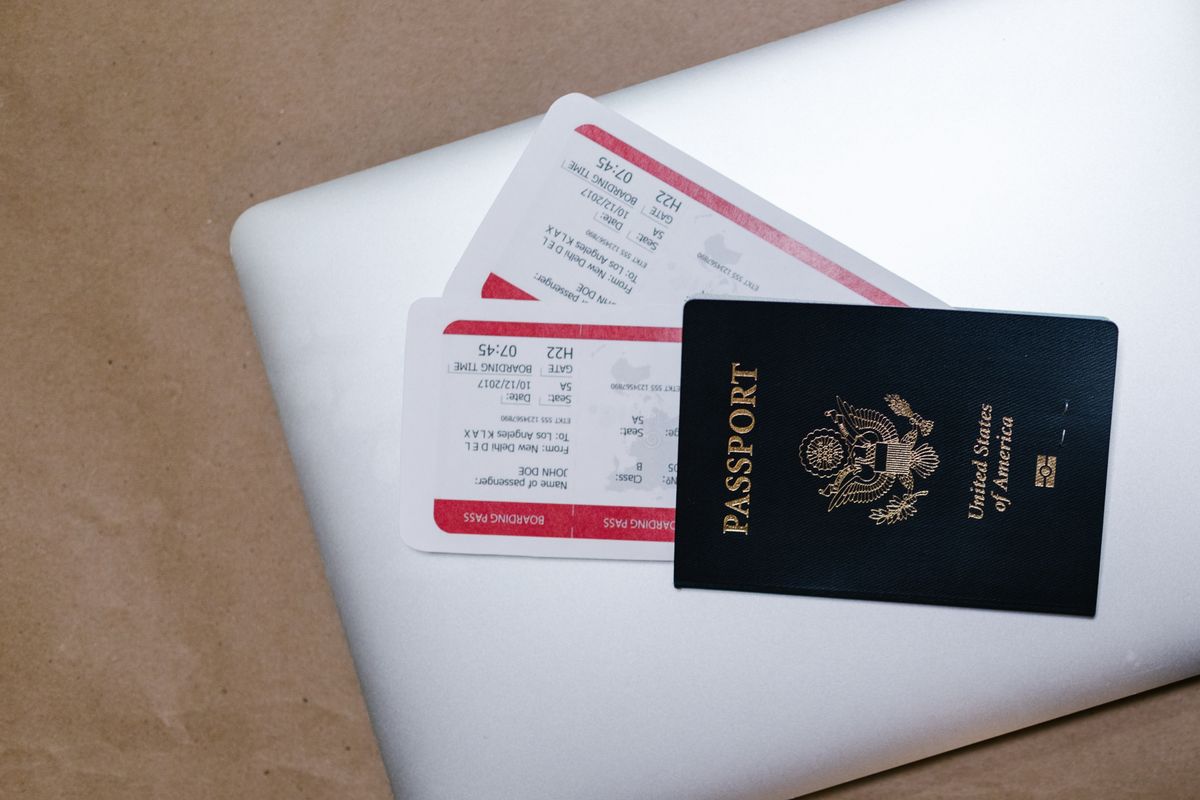
    Since April 2026, the EU has been rolling out a new digital border check called the Entry/Exit System (EES). Instead of getting your passport stamped, you’ll now have your fingerprints and photo taken at the border. It can add extra time at passport control, so it’s worth knowing what to expect before your next European trip — and what help is available if you need it.

    What is the EES, and why has it been introduced?

    The Entry/Exit System is a new digital database used at the external borders of the Schengen area — the group of European countries, including popular UK holiday destinations such as Spain, France, Italy, Greece and Portugal, that share common border rules. It replaces the old system of getting a physical stamp in your passport when you enter or leave. Instead, non-EU nationals, including British passport holders, now have their fingerprints and a photograph taken and stored digitally, along with the date and place of entry and exit.

    Children under 12 are exempt from giving fingerprints, though a photograph is usually still taken. The system applies to short stays of up to 90 days in any 180-day period, which covers the vast majority of UK holidays and short breaks.

    How will EES affect you at the airport?

    The main change is at passport control on arrival in — and departure from — a Schengen country. On your first trip after the system went live, you’ll need to register your fingerprints and photo, usually at a dedicated self-service kiosk or with a border officer. Once you’re registered, subsequent trips should be quicker, as the system recognises your biometric details rather than starting from scratch each time.

    Where routine passport checks used to take around 20 to 25 seconds per person, the initial EES registration can take closer to 90 seconds. Multiply that across a busy flight, and it’s easy to see why some airports have reported longer queues since the system started.

    Will you need to queue for longer?

    Possibly, especially at busier airports and during peak holiday periods. How much of a difference it makes seems to vary a lot by airport and by time of day, so it’s sensible to build in extra time rather than assume it will be quick. If you’re booking a return flight or connecting onward journey, try not to cut your arrival window too fine.

    • Allow extra time at both departure and arrival, particularly for your first trip after the system started
    • Travel at quieter times of day where your itinerary allows
    • Check your specific airport’s guidance in advance, as procedures vary between countries and even between terminals

    Can you get help if you have mobility or health needs?

    Yes. Longer queues can be particularly difficult if you have reduced mobility, a temporary injury, or a condition that makes standing for long periods hard. Some airports have introduced fast-track arrangements for this reason. In Spain, for example, border officers have been told to move families, disabled passengers and other vulnerable travellers into a manual fast-track lane if the wait at the automated biometric gates goes over 25 minutes.

    Support varies from airport to airport, so it’s worth booking any assistance you need — such as a wheelchair or help through the airport — before you travel, in the same way you would for any other flight. If you use a mobility aid, airports are still required to provide help getting through border control, and many are introducing accessible versions of the biometric equipment.

    What about the ETIAS travel permit — do you need it yet?

    You may have also seen headlines about ETIAS, a separate £17-ish (€20) online travel authorisation that UK travellers will eventually need to apply for before visiting most European countries, similar to the US ESTA scheme. It’s easy to confuse the two, but they’re not the same thing, and ETIAS is not yet required. Its launch, originally expected by the end of 2026, has since been pushed back, with a 2027 start now looking more likely. When it does launch, travellers under 18 or over 70 are expected to be exempt from the fee. There’s nothing you need to do about ETIAS for a trip booked now — but it’s worth keeping an eye on the official position before booking travel for later next year.

    What can you do now to prepare for your next trip?

    A little planning ahead makes the whole process far less stressful, especially the first time you go through it.

    • Check your passport is valid for at least six months beyond your travel dates, as this rule still applies alongside EES
    • Arrive at the airport earlier than you normally would, particularly for your first trip since the system started
    • If you need mobility or other assistance, book it with the airport or your airline in advance rather than on the day
    • Look up your specific departure and arrival airport’s EES guidance, as the experience can differ quite a bit from one airport to the next

    Key takeaway

    The EU’s new EES border check means UK travellers now have fingerprints and a photo taken at Schengen borders instead of a passport stamp. It can mean longer queues, especially on your first trip since it started in April 2026, but fast-track help is available for people who need it at some airports — just book assistance in advance and allow extra time. ETIAS is a separate, still-delayed scheme you don’t need to worry about yet.

    Advertisement

    Your name was no accident.

    NumberVeil turns your full name into a free personalised numerology reading — your Expression, Soul Urge and Personality numbers, revealed in seconds.

    Get your free reading →


  • Could a stamp duty change finally make it easier to downsize in later life?

    Not yet — there’s no new stamp duty relief for older homeowners in place today. But a report published on 29 July 2026 by the Radix Big Tent Housing Commission has put a specific proposal on the table: giving over-65s the same stamp duty break first-time buyers get, to encourage more people to sell larger family homes and move somewhere smaller. Here’s what’s actually being suggested, what it could mean for you, and what the rules look like right now if you’re thinking of moving.

    Why does stamp duty put people off downsizing?

    New research from the Family Building Society found that almost half of over-65s (49.45%) say stamp duty land tax is a reason to avoid moving house, even though 58% of the same group said they would actually like to downsize. More than half also pointed to a second problem: there simply aren’t enough smaller, suitable homes to move into. So it isn’t only the tax bill holding people back — it’s the tax bill on top of a limited choice of places to move to.

    What is actually being proposed?

    The Radix Big Tent Housing Commission, chaired by Alex Notay, has recommended piloting a stamp duty relief scheme for older movers, modelled directly on the relief already given to first-time buyers. The idea is that homeowners above a certain age would get the discount when buying a new main residence — it would not apply to second homes or buy-to-let purchases. This is a recommendation from a housing commission, not government policy. Nothing has changed in the actual stamp duty rules, and there’s no confirmed timetable for when — or whether — it might be considered.

    How many homes could this free up?

    The commission’s estimate is striking: making it easier for older homeowners to “right-size” could bring up to 870,000 family homes back onto the market across the UK. Their research points to why so many homes are tied up this way — people over 60 collectively hold an estimated £2.89 trillion in housing wealth, more than half of all property wealth in the UK, and around 70% of over-65s live in homes with more bedrooms than they actually need.

    • £2.89 trillion — housing wealth held by over-60s, more than half the UK total
    • 70% — the proportion of over-65s living in a home with spare bedrooms
    • 870,000 — homes the commission estimates could be freed up if more people downsized

    What are the stamp duty rules if you move now?

    Right now, there’s no age-related discount. First-time buyers currently pay no stamp duty on the first £300,000 of a property, and 5% on the portion between £300,000 and £500,000 — but that relief is only available if you’ve never owned a home before, so it doesn’t apply if you’re selling one property to buy another. For everyone else, including downsizers, stamp duty starts being charged from £125,000, on a sliding scale of rates from 2% up to 12% depending on the price of the home you’re buying. If you’re weighing up a move, it’s worth getting an exact figure from a solicitor or conveyancer for the specific property you have in mind, since the amount varies a great deal by price band.

    What else should you weigh up before downsizing?

    Stamp duty is usually the biggest one-off cost, but it isn’t the only one. Estate agent fees, solicitor’s fees, survey costs, and the cost of the move itself (van hire or a removal firm) all add up. It’s also worth budgeting time, not just money — with fewer smaller homes available in many areas, finding the right property can take longer than expected, so it helps to start looking well before you need to move.

    Is downsizing still worth it while you wait for stamp duty reform?

    For many people, yes. The housing commission’s own report notes that “right-sizing” can bring comfort, safety and health benefits to people moving in later life, on top of releasing equity that’s currently tied up in a larger home. A stamp duty break would make the sums easier for some people, but if a smaller, easier-to-manage home would genuinely suit you better today, the tax bill is one factor among several — not necessarily a reason to put off a move you’d otherwise want to make.

    Key takeaway

    A stamp duty relief scheme for over-65s is currently a recommendation from a housing commission, not a government policy — so don’t delay or bring forward a house move purely in anticipation of it. If you are considering downsizing, get an accurate stamp duty figure for your specific move from a solicitor, and factor in the other costs and the time it can take to find the right smaller home.

    Advertisement

    Your name was no accident.

    NumberVeil turns your full name into a free personalised numerology reading — your Expression, Soul Urge and Personality numbers, revealed in seconds.

    Get your free reading →

  • What does the government’s new action plan for unpaid carers mean for you?

    What does the government’s new action plan for unpaid carers mean for you?

    On 14 July 2026, the government published a new cross-department action plan for unpaid carers — the first of its kind. It sets out 42 measures aimed at identifying carers earlier and connecting them with health, benefits and employment support, including registering as a carer on the NHS App and a new “carers’ charter” setting out your rights. Most of the practical changes are phased in through 2026 and 2027, so there is nothing you need to do urgently — but it is worth knowing what is coming.

    What is the new unpaid carers action plan?

    It is a plan put together jointly by several government departments — health and social care, work and pensions, and education — rather than a single new benefit or service. The government says it is the first action plan of its kind to look at unpaid caring across the whole of someone’s life, not just their entitlement to a particular payment.

    It rests on three ideas: recognising who unpaid carers actually are (many do not think of themselves as a “carer” at all), referring them into the support that already exists, and helping them stay in work, education or training if caring makes that difficult.

    Who actually counts as an unpaid carer?

    Nearly one in ten people in England are providing unpaid care for a family member, partner or friend — help with washing, dressing, medication, shopping, appointments, or simply keeping an eye on someone who could not manage safely alone. You do not need to live with the person, and you do not need to be caring full time to count. Many people caring for a spouse or an elderly parent have never used the word “carer” about themselves, which is one of the reasons the government says support goes unclaimed.

    What is changing on the NHS App?

    One of the concrete measures is the ability to register as a carer directly through the NHS App, so that GPs and hospitals know you are looking after someone and can involve you in decisions — for example, when the person you care for is being discharged from hospital. The plan also points towards more joined-up patient records between health and social care services, so carers are not left repeating the same information to different services.

    What will the new “carers’ charter” actually cover?

    The plan promises a “carers’ charter” setting out, in one place, the rights carers already have — such as the right to a free Carer’s Assessment from your local council under the Care Act 2014 — alongside a consolidated GOV.UK information hub bringing together health, social care, employment and benefits guidance for carers. That hub is due to launch in summer 2026. Until it appears, the existing routes still apply: you can ask your council’s adult social services team for a Carer’s Assessment at any time, without waiting for the new hub.

    Will your employer have to support you if you’re a carer?

    From spring 2027, employers with 250 or more staff will be expected to provide support for employees who are also carers. Exactly what that looks like in practice — flexible hours, carer’s leave, signposting to services — is still being worked through, so if you are caring alongside a job, it is worth keeping an eye on updates rather than expecting changes immediately. If you work for a smaller employer, this particular measure will not apply to you, though you may still be able to request flexible working under existing employment law.

    Could you already be missing out on money as a carer?

    Separately from the new plan, the government notes that 1.1 million unpaid carers already receive an extra £2,500 a year on average through the carer elements built into Universal Credit and Pension Credit — on top of Carer’s Allowance itself. The earnings limit for Carer’s Allowance has also risen by more than £2,750 over the past two years, so if you looked into it before and were turned away for earning slightly too much, it may be worth checking again.

    • If you receive Universal Credit or Pension Credit and care for someone for 35+ hours a week, check whether a carer element has been added to your award.
    • If you were previously refused Carer’s Allowance on earnings grounds, check the current limit on GOV.UK before assuming you still do not qualify.
    • If you have never had a Carer’s Assessment, you are entitled to ask your council for one regardless of what the new action plan eventually delivers.

    What should you do right now?

    Most of this plan is still being rolled out rather than available today, so there is no application to fill in yet. The sensible steps in the meantime are the ones that already exist: request a Carer’s Assessment from your council if you have not had one, check your Universal Credit or Pension Credit award for a carer element, and confirm the current Carer’s Allowance earnings limit if you were turned down before. When the GOV.UK carers hub launches, it should make all of this easier to find in one place — but you do not need to wait for it.

    Key takeaway: The government’s new unpaid carers action plan (launched 14 July 2026) is a set of 42 measures rolling out over 2026–27 — including NHS App carer registration, a carers’ charter, and a GOV.UK information hub — rather than a single new payment. Nothing has changed yet that requires action from you, but it’s worth requesting a free Carer’s Assessment from your council and double-checking your Universal Credit, Pension Credit or Carer’s Allowance entitlement in the meantime.

    Advertisement

    Your name was no accident.

    NumberVeil turns your full name into a free personalised numerology reading — your Expression, Soul Urge and Personality numbers, revealed in seconds.

    Get your free reading →

  • Could You Get Money Off Your Council Tax Bill Now You’re Retired?

    Could You Get Money Off Your Council Tax Bill Now You’re Retired?

    In short: if you’ve reached State Pension age and you’re on a low income, you may be able to get Council Tax Reduction. It can cover a large chunk of your bill, and some councils will reduce it to nothing at all. Savings above £16,000 usually rule you out, but that limit doesn’t apply if you already get Pension Credit (Guarantee Credit) — and the first £10,000 of savings is ignored in any case.

    What is Council Tax Reduction?

    Council Tax Reduction (sometimes still called Council Tax Support) is a scheme run by your local council that lowers your council tax bill if you’re on a low income. It isn’t a single national benefit with one set of rules — each council designs its own scheme within some broad guidelines, which is why the amount of help on offer can vary depending on where you live.

    Because you’ve reached State Pension age, you’ll usually be assessed under the “pension-age” rules rather than the working-age rules, which tend to be more generous.

    Who can get it once they’ve reached State Pension age?

    If you, or your partner, have reached State Pension age, the pension-age Council Tax Reduction rules will usually apply to your claim. These rules look at your income and any savings or capital you and your partner have between you.

    You don’t need to be on any other benefit to apply — Council Tax Reduction is assessed on its own, based on your household’s circumstances.

    How much could it reduce your bill by?

    This is where the variation between councils really shows. Some schemes can reduce a bill by up to 73%, while others can bring it down by up to 100%, effectively wiping out the bill completely for people on the lowest incomes. Exactly how much you’d get depends on your income, your savings, who else lives in your home, and the scheme your own council runs.

    There’s no way to know your exact figure without applying — but if money is tight, it’s worth finding out rather than assuming you won’t qualify.

    Does having savings stop you from qualifying?

    Savings are taken into account, but not pound for pound. The first £10,000 of savings and capital is usually disregarded completely. Above that, if you and your partner have more than £16,000 in savings and capital between you, you may not be eligible.

    There’s an important exception, though: if you’re already receiving the Guarantee Credit part of Pension Credit, the £16,000 savings limit doesn’t apply to you at all, and you may still qualify for Council Tax Reduction regardless of how much you have in savings.

    How do you apply for Council Tax Reduction?

    You apply through your local council, not through the DWP or central government, because each council administers its own scheme. The quickest way is usually through your council’s website, where you’ll find a Council Tax Reduction or Council Tax Support application form.

    • Find your council’s website and search for “Council Tax Reduction” or “Council Tax Support”
    • Complete the application form online, or ask your council for a paper form if you’d prefer
    • Have proof of your identity, income and savings ready to send with your claim
    • Contact your council directly if you’re unsure which documents you need — requirements vary by area

    What if you’re already getting Pension Credit?

    Pension Credit is often described as a “gateway” benefit, because getting it can open the door to other help, including Council Tax Reduction. If you already receive Pension Credit, mention this clearly on your Council Tax Reduction application, as it can simplify the assessment of your income and, as covered above, removes the savings limit that would otherwise apply.

    If you haven’t checked whether you’re entitled to Pension Credit itself, it’s worth doing that first, since it can be worth an average of around £4,300 a year to those who qualify, and can unlock further support beyond your council tax bill.

    Can you still claim if you missed out on previous months?

    If you didn’t realise you were eligible and have been paying full council tax for a while, don’t assume it’s too late. Pensioners usually have a more flexible backdating window than working-age claimants — typically around three months — so ask your council whether your claim can be backdated when you apply.

    Key takeaway

    Council Tax Reduction is administered locally, so the only way to know what you’re entitled to is to apply directly through your own council. The first £10,000 of savings is ignored, the usual £16,000 savings limit doesn’t apply if you get Pension Credit’s Guarantee Credit, and some pensioners can have their bill reduced by up to 100%. If in doubt, apply and ask about backdating — it costs nothing to check.

    Advertisement

    Your name was no accident.

    NumberVeil turns your full name into a free personalised numerology reading — your Expression, Soul Urge and Personality numbers, revealed in seconds.

    Get your free reading →
  • Has the cost of applying for probate just gone up — and what can you do about it?

    Has the cost of applying for probate just gone up — and what can you do about it?

    Yes — the fee for applying for a grant of probate in England and Wales rose from £300 to £526 on 13 July 2026, a 75% increase confirmed by the Ministry of Justice. There’s still no fee at all if the estate is worth £5,000 or less, and financial help is available through the Help with Fees scheme if paying is a struggle.

    If you’re currently sorting out a relative’s affairs after a bereavement, or expect to be an executor at some point, this is one of those quiet changes that can catch people out — it doesn’t make headlines the way a benefit cut does, but it lands at one of the most stressful times in family life.

    What exactly has changed?

    From 13 July 2026, the standard probate application fee in England and Wales increased from £300 to £526. The government says the change “recovers the cost of an ever-improving service” and accounts for inflation and investment in the probate system. It’s part of a wider review that has increased more than 170 different court and tribunal fees across HM Courts and Tribunals Service (HMCTS), not just probate.

    To put the rise in context: the fee was £273 until May 2024, went up to £300, and has now reached £526 — nearly double in just over two years.

    Do you always have to pay it?

    No. If the estate you’re dealing with is worth £5,000 or less, there’s no probate application fee at all. Above that threshold, the £526 fee applies regardless of how much the estate is worth — whether it’s £10,000 or £1 million, the flat fee is the same.

    It’s also worth remembering that not every estate needs probate in the first place — for example, if everything was jointly owned and passes automatically to a surviving spouse or partner. If you’re unsure whether you need to apply at all, it’s worth checking that before worrying about the fee.

    What about getting extra copies of the grant?

    There’s a small piece of better news buried in the same changes. You’ll usually need several official copies of the grant of probate — one for each bank, pension provider or other organisation you deal with on the estate’s behalf. If you order these copies at the same time as your main application, the fee for them has actually dropped, from £16 to £2. It only applies when you order copies alongside the original application, not if you go back for more later.

    What if you can’t afford the fee?

    The Help with Fees scheme remains available if you have a limited income or receive certain benefits. There are two ways to apply:

    • Apply online through the government’s Help with Fees service before you submit your probate application
    • Fill in paper form EX160 and send it to the Newcastle probate registry, or to the Help with Fees team directly

    One important catch: if you apply online, you’ll usually need to pay the full £526 fee upfront and then get a refund if your application for help is successful. You also can’t get help with the fee for extra copies of the document — only the main application fee is covered. If you have questions about eligibility, the Help with Fees team can be contacted by email at [email protected].

    Does this affect estates where probate is already underway?

    The new fee applies to applications submitted from 13 July 2026 onwards. If you already applied and paid before that date, the increase doesn’t apply retrospectively to your case. If you’re only now starting the process, the £526 fee is what you should budget for.

    What should you do if you’re about to apply?

    A few practical steps can make the process smoother and avoid unnecessary extra costs:

    • Work out roughly how many organisations you’ll need to send a copy of the grant to (banks, pension providers, share registrars) and order that many copies with your original application, while the £2 rate applies
    • Check whether the estate is worth £5,000 or less before assuming a fee is due at all
    • If money is tight, look into Help with Fees before you submit your application, rather than after
    • Keep a note of the date you submit, in case fees change again — the government has signalled this is part of an ongoing review of court costs

    Key takeaway

    Probate applications made from 13 July 2026 cost £526, up from £300 — but there’s no fee if the estate is worth £5,000 or less, extra copies ordered at the same time now cost just £2 in total rather than £16, and the Help with Fees scheme can cover the main fee if you’re on a low income or certain benefits. If you’re about to start the process, it’s worth checking the current figures on GOV.UK before you apply, since fees in this area have changed more than once in the past two years.

    Advertisement

    Your name was no accident.

    NumberVeil turns your full name into a free personalised numerology reading — your Expression, Soul Urge and Personality numbers, revealed in seconds.

    Get your free reading →

  • Could a “missed parcel” text let a scammer add your card to their phone?

    Could a “missed parcel” text let a scammer add your card to their phone?

    Yes. A scam uncovered by Which? shows fraudsters using a fake “missed parcel” text to steal your card details, then adding your card to a digital wallet, such as Apple Pay or Google Wallet, on a phone they control. Once it’s set up, they can spend on your card until they hit your limit or drain your balance. The good news: it only works if you type in a one-time passcode for them, so knowing what that code is really for is your best defence.

    What is digital wallet fraud?

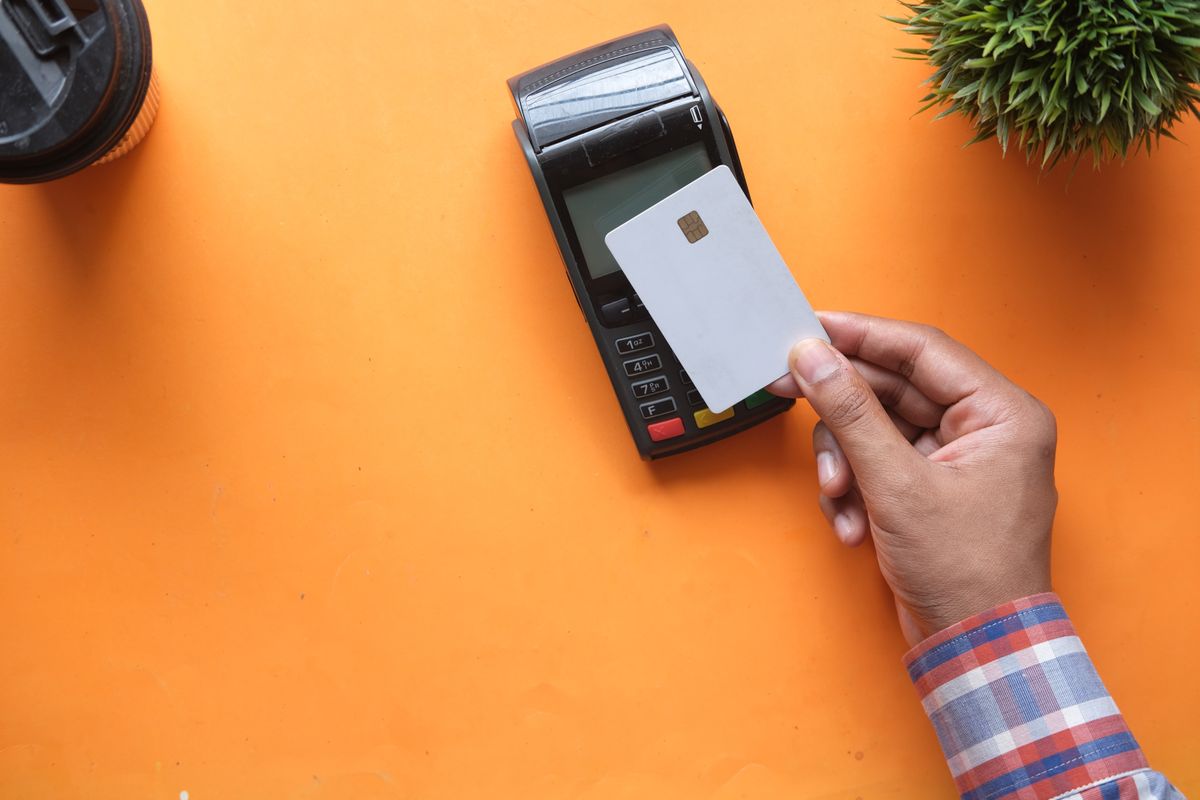
    Digital wallet fraud is when a criminal takes your card details and loads them onto a digital wallet, the app on a smartphone (Apple Pay, Google Wallet or Samsung Pay) that lets you pay by tapping your phone instead of your card. Once your card is sitting in a wallet on their phone rather than yours, they can tap to pay in shops or spend online, often for weeks, before you notice.

    Consumer group Which? has flagged this as one of the most convincing scams doing the rounds this year, and industry figures suggest individual banks are losing between £2 million and £6 million a year to it — costs that can end up passed on to customers through higher fees or reduced account perks.

    How does the scam actually work?

    • You get a text or a social media advert saying a parcel couldn’t be delivered, often made to look like it’s from Royal Mail or a similar courier.
    • The link leads to a fake website that looks convincingly like the real thing, asking you to pay a small “redelivery fee” with your card.
    • The moment you type in your card details, the scammer is watching in real time and entering those same details into a digital wallet on their own phone.
    • Your bank, doing exactly what it’s supposed to do, sends a one-time passcode to your phone to confirm the new wallet setup.
    • The fake website then asks you to enter that code too, claiming it’s needed to “verify your payment”. Typing it in hands the scammer the final piece they need to activate your card on their wallet.

    Why is the one-time passcode text so dangerous?

    The one-time passcode (OTP) is meant to be a safety check that only you can pass. The problem, as Which? points out, is that most banks still send this code as a plain text message — and a code sent by text can be read out, screen-shared, or “socially engineered” out of someone who’s been told, convincingly, that it’s needed to complete a legitimate purchase.

    Here’s the one fact worth remembering: a genuine £1.99 redelivery fee never needs a one-time passcode from your bank. Banks only send that code when a new device or service, like a digital wallet, is being added to your account. If a passcode arrives when you think you’re simply paying a small fee, that mismatch is the clearest sign something is wrong.

    What are the warning signs of a fake delivery text?

    • You weren’t expecting a parcel, or the message doesn’t match anything you’ve actually ordered.
    • The link uses a slightly odd web address rather than the courier’s real domain — for example, extra words, unusual endings, or a misspelling.
    • You’re asked to enter a passcode from a text message to “confirm” or “verify” a small payment.
    • There’s pressure to act quickly, such as a warning that your parcel will be returned to sender within 24 hours.

    How can you protect your card from being added to someone else’s wallet?

    • Don’t tap links in unsolicited delivery texts. Go to the courier’s official website or app directly instead, by typing the address in yourself.
    • Never share a one-time passcode with anyone, or type it into a website, unless you are certain you initiated the transaction it relates to.
    • Turn on real-time spending notifications in your banking app, so you see any new transaction the moment it happens.
    • Check your bank statements regularly rather than waiting for a paper statement to arrive.
    • If you’re ever unsure whether a text is genuine, hang up or close it and call your bank on the number printed on your card, not a number from the message.

    What should you do if you think you’ve been targeted?

    Contact your bank straight away using the number on the back of your card, tell them you suspect your card details have been used to set up a digital wallet you don’t recognise, and ask them to block the card. You can also report the scam text to your provider by forwarding it free to 7726, and report the fraud to Action Fraud at actionfraud.police.uk or on 0300 123 2040. Acting quickly gives your bank the best chance of stopping further spending and starting a fraud investigation.

    Key takeaway

    A one-time passcode from your bank is never needed to pay a small delivery fee — it’s only ever sent when something new, like a digital wallet, is being added to your account. If a text asks you to enter that code for what looks like a routine payment, stop, don’t enter it, and contact your bank directly using the number on your card.

    Advertisement

    Your name was no accident.

    NumberVeil turns your full name into a free personalised numerology reading — your Expression, Soul Urge and Personality numbers, revealed in seconds.

    Get your free reading →

  • Do you know the new liquid rules for your UK airport this summer?

    Do you know the new liquid rules for your UK airport this summer?

    Several major UK airports, including Heathrow, Gatwick, Edinburgh, Birmingham, Bristol and both Belfast airports, have scrapped the old 100ml liquid limit and now let you carry up to 2 litres through security in new CT scanners. Others, including Manchester and Luton, still enforce the 100ml rule. If you’re flying this summer, check your specific airport before you pack — and be aware that a bottle allowed on your outbound flight may not be allowed on the way home.

    What’s actually changed at UK airport security?

    For years, every UK airport has applied the same rule: liquids in your hand luggage limited to 100ml containers, all packed into a single clear plastic bag. That’s now changing, airport by airport, as new CT (computed tomography) scanners are installed. These scanners produce a much more detailed 3D image of what’s inside your bag, so security staff no longer need liquids removed and separated to check them safely.

    Where the new scanners have been approved by the Department for Transport, you can now take liquids in containers of up to 2 litres, and you don’t need to put them in a plastic bag at all — they can stay in your hand luggage. Laptops and other electronics can usually stay in your bag too.

    Which airports let you take up to 2 litres of liquid through security?

    As of this summer, the following UK airports have the new scanners approved and in use, meaning the 2-litre allowance applies: Heathrow (which lifted its restriction at the start of 2026 after a £1bn scanner upgrade), Gatwick, Edinburgh, Birmingham, Bristol, and Belfast International and Belfast City airports.

    At these airports there’s no need to decant your shampoo, sun cream or contact lens solution into small bottles, and no limit on how many 2-litre containers you carry, within reason and your usual baggage allowance.

    Which airports still use the old 100ml rule?

    Manchester and Luton are still working through certification of their scanners and, for now, continue to enforce the traditional 100ml limit, with liquids needing to go in a single clear resealable bag. Several other airports around the country are at various stages of installing or approving their own scanners. The Department for Transport has said it wants the 100ml rule gone from all major UK airports by the end of 2026, but the rollout has taken longer than originally planned, so rules can differ from one regional airport to the next.

    Given how quickly this is changing, the safest approach is to check your departure airport’s own website in the days before you travel, rather than relying on what a friend or family member experienced on their last trip.

    What if you’re flying out from one type of airport and back through another?

    This is the detail that catches people out. A 500ml bottle of suncream that sailed through security at Heathrow on your way out may well be confiscated on your way home, if your return flight departs from an airport, in the UK or abroad, that hasn’t yet upgraded its scanners. Most European airports still use the old 100ml rule, so even if you leave the UK with larger containers, you may need to buy travel-size versions for the return leg, or be prepared to lose anything over 100ml at the gate.

    • If you’re only travelling within the UK, check both your outbound and return airport before deciding how to pack.
    • If you’re flying abroad, assume the 100ml rule will apply on at least one leg of the journey unless you’ve confirmed otherwise.
    • Keep receipts or note container sizes if you’re taking prescription liquids, in case you need to explain them to staff.

    Are there still things you can’t take through security, whatever the airport?

    Yes. Even at airports with the new 2-litre allowance, liquids in vacuum flasks or other insulated, double-walled containers still need to be emptied before you go through the scanner, because the machines can’t see through the insulation to check what’s inside. It’s also worth remembering that medically necessary liquids, such as prescribed medication, have long been allowed in larger quantities than the standard limit at any UK airport — it’s sensible to carry a prescription or GP letter as evidence if you’re taking more than a small amount.

    What about walking aids, mobility equipment or medical devices?

    None of these liquid rule changes affect the separate assistance and equipment rules that already apply if you travel with a wheelchair, walking frame, or medical equipment such as a CPAP machine. Airports are still required to let you take mobility aids through security and onto the aircraft free of charge, and staff can offer extra help if you need more time. If in doubt, contact your airport’s special assistance team, or your airline, at least 48 hours before you fly.

    What’s the easiest way to pack for your holiday this summer?

    Rather than trying to remember which category your airport falls into, a simple rule of thumb works for most people: pack as if the 100ml limit still applies to you, in a clear bag that’s easy to pull out if asked, and treat any larger allowance as a welcome bonus rather than something to rely on. That way, whichever airport you find yourself at, on the way out or the way back, you won’t be caught having to bin a bottle of suncream at the gate.

    Key takeaway

    Heathrow, Gatwick, Edinburgh, Birmingham, Bristol and the two Belfast airports now allow up to 2 litres of liquid through security, while Manchester and Luton still enforce the old 100ml rule. Rules can differ between your outbound and return flights, so check your specific airports before you fly, and pack as if the 100ml limit applies unless you’re certain it doesn’t.

    Advertisement

    Your name was no accident.

    NumberVeil turns your full name into a free personalised numerology reading — your Expression, Soul Urge and Personality numbers, revealed in seconds.

    Get your free reading →

  • Are new rules finally going to crack down on scam adverts online?

    Are new rules finally going to crack down on scam adverts online?

    Ofcom published draft rules on 10 July 2026 that would force major platforms — including Google, Facebook, Instagram, TikTok and YouTube — to actively hunt down and remove fraudulent adverts. But these are still only proposals, open for public consultation until 2 October 2026, with final rules not expected until mid-2027 at the earliest. For now, spotting a scam advert is still down to you — and this article explains how.

    Why do scam adverts matter so much?

    If you’ve ever scrolled past an advert online promising an unbelievable investment return, a miracle health cure, or a celebrity endorsing a product they’ve never heard of, you’re far from alone. According to Ofcom’s own research, 51% of UK adults online say they’ve come across a potentially fraudulent advert, and 36% say they see them regularly. Ofcom estimates that UK victims lose more than £200 million a year to scams that begin with an online advert — money that, for many people, represents savings built up over a lifetime.

    Unlike a scam email or a dodgy phone call, a scam advert often appears on a site you trust — sitting right next to genuine news articles, search results, or posts from friends. That familiar setting is exactly what makes them so convincing, and so hard to spot.

    What is Ofcom actually proposing?

    The draft Fraudulent Advertising Code of Practice sets out nearly 40 measures that the largest platforms would have to follow under the Online Safety Act. The headline requirements include banning known scammers from a platform and stopping them from simply re-registering under a new name, verifying the identity of anyone setting up an advertising account — particularly for financial or investment adverts — and reviewing paid adverts on an ongoing basis, taking down fraudulent ones swiftly once found. Platforms would also need to set up dedicated, fast-track channels so that police and other trusted organisations can flag scam adverts directly, and make it genuinely easy for ordinary users to report one.

    Which websites and apps would have to follow the new rules?

    The draft code applies to the search engines and social media platforms Ofcom classes as the largest and highest-risk under the Online Safety Act. Named platforms include Google and Bing search, Facebook, Instagram, TikTok, Reddit, X (formerly Twitter), YouTube and Roblox. Smaller sites and apps aren’t covered by this particular code, so it’s worth remembering that the same caution still applies wherever else you browse.

    When will these protections actually arrive?

    Not soon. The consultation on the draft code stays open until 2 October 2026, and Ofcom has said it expects to issue a final statement “by mid-2027 at the latest.” Platforms would then need time to build and roll out the required checks. Realistically, that means the earliest UK users are likely to notice a real difference is late 2027 — over a year from now. Once the rules are in force, companies that don’t comply could face fines of up to £18 million or 10% of their global revenue, whichever is greater, though even that penalty only applies once the code is finalised and approved.

    Consumer champion Martin Lewis, of MoneySavingExpert, has welcomed the move but warned that far more will be needed to properly protect people in the meantime — a reminder that regulation, however welcome, is not a substitute for staying alert yourself.

    How can you spot a scam advert today, while you wait?

    A few warning signs come up again and again in scam adverts, whichever platform they appear on:

    • A promise of guaranteed high returns, free money, or a “once in a lifetime” investment opportunity
    • A well-known face — a celebrity, a bank, or a TV personality — endorsing something they’ve never actually mentioned publicly
    • Pressure to act immediately, or a countdown clock urging you to buy or invest right now
    • A request to continue the conversation on WhatsApp or by text, away from the platform where you first saw the advert
    • A web address in the advert that doesn’t quite match the company it claims to be from

    If an advert ticks more than one of these boxes, treat it as suspicious and don’t click through or enter any personal or bank details.

    What should you do if you spot one — or if you’ve already clicked?

    If you simply spot a suspicious advert, don’t click it, and don’t share it with others before checking it out — reporting it directly to the platform (most have a “Report ad” option) helps get it taken down for everyone. If you’ve already clicked through and shared bank details or made a payment, contact your bank immediately using the number on the back of your card, not any number given in the advert itself. You can then report the fraud to Action Fraud, the UK’s national fraud reporting centre, on 0300 123 2040 or at actionfraud.police.uk. It’s also worth letting family members know what happened — scammers often target the same household more than once.

    Key takeaway

    New Ofcom rules published on 10 July 2026 would eventually force big tech platforms to actively remove scam adverts — but they’re still in consultation, and won’t be enforced until 2027 at the earliest. Until then, treat “too good to be true” adverts on any platform with suspicion, never rush into acting on one, and report anything that concerns you to the platform and, if money is lost, to your bank and Action Fraud on 0300 123 2040.

    Advertisement

    Your name was no accident.

    NumberVeil turns your full name into a free personalised numerology reading — your Expression, Soul Urge and Personality numbers, revealed in seconds.

    Get your free reading →
  • Is your personal alarm ready for the digital landline switchover?

    Is your personal alarm ready for the digital landline switchover?

    Phone companies across the UK are switching every landline from the old analogue network to a new digital one, and this can affect personal alarms and pendants that rely on a phone line to call for help. If you or someone you look after uses one of these devices, the safe move is to tell your landline provider and your telecare provider now, so they can check the equipment still works before your switchover date. The industry-wide deadline for this has been pushed back to 31 January 2027, so there is time to get it sorted properly.

    What is the digital landline switchover, and why does it matter to you?

    For decades, home phones in the UK have run over the same copper wire network that also carries traditional personal alarms — the pendants and buttons worn around the neck or wrist that call a response centre at the press of a button. That copper network is being retired and replaced with digital phone lines that run over broadband instead. Most people will simply notice a new router or a slightly different dial tone. But some personal alarms were built to work over the old analogue signal, and a small number have stopped working properly, or failed to connect at all, when a household was switched over without anyone checking first.

    This matters because an estimated 2 million people across the UK currently use a telecare alarm of some kind, whether that is a fall-detecting pendant, a community alarm provided by a local council, or a wearable button linked to a private monitoring service. For many people living alone, or supporting a partner or parent, that alarm is the thing that brings help quickly after a fall or a medical emergency.

    Why was the switchover deadline pushed back to 2027?

    The switchover was originally due to be completed across the whole country by December 2025. It was delayed after a small number of serious incidents, including deaths, were linked to telecare devices failing to work properly following early migrations to digital lines. In response, the Department of Health and Social Care worked with telecoms providers to slow things down and put stronger safeguards in place, moving the industry-wide completion date to 31 January 2027.

    That extra time is meant to be used, not simply waited out. Individual households can still be migrated well before the final deadline if their provider is satisfied the telecare equipment is compatible — so a later cut-off date for the industry as a whole does not guarantee a later date for your own home.

    What protections is the government putting in place?

    The Telecare National Action Plan, published jointly by the Department of Health and Social Care and the Department for Science, Innovation and Technology, sets out what telecoms and telecare providers are expected to do before any household with a registered alarm is moved over. The plan’s central commitments are:

    • No telecare user should be migrated to a digital line until their phone provider, the user, or the telecare provider has confirmed the alarm is compatible and working.
    • Providers should phase out reliance on older analogue-only devices in a planned way, rather than switching people over and hoping for the best.
    • Telecare users and the people who support them should be told clearly what steps they need to take.
    • Telecoms companies, local councils and telecare providers are expected to work together, rather than leaving it to the household to join the dots.

    In practice, this generally means an engineer should test your alarm at the point your line is switched, and vulnerable customers should be offered a free battery back-up unit so the phone line — and the alarm — keeps working during a power cut.

    How do you find out if your alarm is affected?

    You do not need to wait for a letter to land on the doormat. The single most useful thing you can do is contact your telecare provider directly — this might be your local council, a charity such as Age UK, or a private company — and ask them plainly: “Will my alarm still work on a digital phone line, and has it been tested?” If you are not sure who supplies your alarm, the paperwork or sticker on the base unit usually names the provider, or a family member can often find this out on your behalf.

    It is also worth telling your landline or broadband provider that there is a telecare alarm in the house, even if you assume they already know. This flags the address so an engineer visit and compatibility check are arranged before any switch takes place, rather than after.

    What should you do if you support a relative who has an alarm?

    If you are the one who arranged a parent’s or partner’s alarm, or you simply know they have one, it is worth raising this with them directly rather than assuming their provider has already been in touch. Many people who rely on these alarms live alone and may not think to query a phone company letter about “line upgrades,” not realising it could affect their alarm. A short phone call to check the make and model, and to confirm with the telecare provider that it has been tested on a digital line, is a small task that closes a real safety gap.

    What if something goes wrong after your line has already switched?

    If your landline has already moved to a digital service and you are unsure whether your alarm was checked, do not wait to find out the hard way. Press the alarm button as a test, following your provider’s instructions for testing rather than a genuine emergency call if possible, or phone the monitoring centre’s number directly to ask them to confirm the connection is working. If there is any doubt at all, ask your telecare provider to send someone out to check the equipment in person.

    Key takeaway

    The UK’s move from analogue to digital landlines is affecting some personal alarms, and a small number of serious incidents led the government to push the industry-wide deadline back to 31 January 2027. Whether you use a telecare alarm yourself or you support someone who does, contact the telecare provider now, ask directly whether the device has been tested on a digital line, and make sure the phone provider knows there is an alarm in the house before any switchover date is set.

    Advertisement

    Your name was no accident.

    NumberVeil turns your full name into a free personalised numerology reading — your Expression, Soul Urge and Personality numbers, revealed in seconds.

    Get your free reading →
  • Have you sent back your bowel cancer screening kit yet?

    Have you sent back your bowel cancer screening kit yet?

    If you’re between 50 and 74, the NHS sends you a home testing kit for bowel cancer screening every two years. You collect a tiny stool sample using a stick and a small bottle, then post it back — no clinic visit needed. It takes a few minutes, and it can find cancer before you have any symptoms, when it’s easiest to treat.

    Why is the NHS asking people to return their kits now?

    NHS England says the programme now finds around 100 cancers a week. In the most recent year on record (April 2024 to March 2025), 5.2 million people took part — nearly 500,000 more than the year before — but not everyone who is sent a kit sends it back. Around 8.7 million kits go out to people’s homes across England every year, and NHS England has been urging people not to leave theirs sitting on a shelf.

    Professor Peter Johnson, NHS national clinical director for cancer, put it simply: don’t put the kit on a shelf and forget about it — do the test, because it could save your life.

    Who actually gets sent a kit, and how often?

    Everyone registered with a GP in England aged 50 to 74 is sent a home testing kit automatically, once every two years. You don’t need to ask for it or book anything — it simply arrives through your letterbox. If you’re 75 or over, you can still request a kit every two years by calling the free bowel cancer screening helpline, but it stops being sent automatically.

    • Ages 50–74: kit sent automatically every 2 years
    • Age 75+: you can still ask for a kit yourself, but must request it
    • The test used is called a FIT test (faecal immunochemical test)

    Why do some age groups take part less than others?

    NHS figures show a clear pattern: uptake rises with age. Around 56% of 54-year-olds who were sent a kit completed it, compared with about 74% of people aged 70 to 74. Overall uptake across all eligible ages was around 65%, which is actually down slightly on the previous year. It’s the newer, younger group in the programme — people in their early 50s — who are least likely to send their kit back, which is one reason NHS England has been focusing its reminders on that age group.

    What does the test actually involve?

    The kit contains a small plastic stick and a sample bottle, with clear instructions. You use the stick to collect a tiny sample from your own stool at home, seal it in the bottle, and post it back to the NHS in the packaging provided — there’s no need to visit a GP or clinic. The lab checks the sample for tiny traces of blood that aren’t visible to the naked eye, which can be an early sign of bowel cancer or growths that could turn into cancer.

    A positive result doesn’t mean you have cancer — it means you’ll be invited for a follow-up test, usually a colonoscopy, to check further. Most people who are invited for a follow-up do not turn out to have cancer.

    What difference does catching it early actually make?

    Bowel cancer often has no symptoms in its early stages, which is exactly why screening matters — it can pick up problems before you’d ever think to see a doctor. Genevieve Edwards, chief executive of Bowel Cancer UK, said the few minutes it takes to do the test could make a life-changing difference, and urged people to complete their kit and return it as soon as they can. NHS England’s National Cancer Plan has a longer-term goal too: an ambition to bring about 17,000 earlier diagnoses and save around 6,000 lives by 2035, with screening programmes like this one central to that goal.

    What should I do if I’ve lost my kit or missed sending it back?

    You don’t have to wait for your next scheduled kit. If you’ve misplaced yours, thrown it away, or simply never got round to it, you can call the free NHS bowel cancer screening helpline and ask for a replacement to be sent out. There’s no charge and no need for a referral from your GP.

    What’s the key takeaway?

    If you’re 50 to 74 and registered with a GP in England, you’ll be sent a bowel cancer screening kit automatically every two years — it only takes a few minutes to do at home. If yours has been sitting unopened, or you’ve lost it, ring the NHS bowel cancer screening helpline for a replacement rather than waiting for the next one. It’s one of the simplest things you can do for your own health, and for some people, it genuinely catches cancer early enough to change the outcome.

    Advertisement

    Your name was no accident.

    NumberVeil turns your full name into a free personalised numerology reading — your Expression, Soul Urge and Personality numbers, revealed in seconds.

    Get your free reading →