

Author: Glenn

  • Has the Carer’s Allowance earnings limit changed — and what does it mean for you?

    Has the Carer’s Allowance earnings limit changed — and what does it mean for you?

    Quick answer: From 6 April 2026, the earnings limit for Carer’s Allowance increased to £204 a week (after deductions) and the weekly payment rose to £86.45. If you provide at least 35 hours of unpaid care each week — looking after a spouse, parent, or other relative with long-term needs — this change may now open up your eligibility, or allow you to work a little more without losing the benefit.

    What is Carer’s Allowance and who is it for?

    Carer’s Allowance is a weekly government benefit for people who regularly provide substantial, unpaid care. It is one of the most commonly unclaimed benefits in the UK — millions of people who qualify have never applied, often because they do not think of themselves as “carers”. If you help a partner, parent, sibling, or friend manage daily life because of illness, disability, or age-related frailty, you may well qualify.

    You do not need to live with the person you care for, and they do not need to be related to you. The money is paid directly to you as the carer — not to the person receiving care. You need to be 16 or over, not in full-time education, and providing care for at least 35 hours a week.

    What changed in April 2026?

    Two important changes came into effect from 6 April 2026:

    • The weekly rate rose to £86.45 — up from £83.30, as part of the annual uprating of benefits in line with September’s inflation figure.
    • The earnings limit rose to £204 a week — up from £196. This is the maximum you can earn from paid work (after certain deductions) and still receive the allowance.

    The second change is arguably the more significant. The government also announced that from 2026 onwards, the earnings limit will be permanently linked to 16 hours at the National Living Wage. This means it should rise automatically each year as the minimum wage increases — a long-standing ask from carer organisations, who had argued for years that the old fixed limit forced people into impossible choices between working and caring.

    How is the earnings limit actually calculated?

    The £204 figure refers to your net earnings — not your gross pay. Before comparing your income to the limit, you are allowed to deduct:

    • Income Tax and National Insurance contributions
    • Half of any pension contributions you pay into a workplace or personal pension
    • Certain allowable expenses if you are self-employed
    • The cost of paying someone else to care for the person you support (or for a child), if that care enables you to work

    This means your gross pay could be noticeably higher than £204 and you could still qualify. For example, if you earn £250 a week gross but pay £30 in National Insurance and £25 into a pension, your assessable earnings would fall to around £207.50 — close enough that further deductions could bring you under the threshold. It is worth working through the full calculation, or asking a free benefits adviser to do it with you.

    One important warning: the earnings limit operates as a hard “cliff edge”. If your net earnings are £203.99 you receive the full £86.45 a week. If they are £204.01, you receive nothing — there is no gradual reduction. This makes it especially important to track your earnings carefully, particularly if your hours vary from week to week.

    Are there any tax implications to be aware of?

    Yes — and this is something many carers overlook. Carer’s Allowance counts as taxable income. If you also receive earnings from work, a private pension, or other taxable income, Carer’s Allowance adds around £4,500 a year to your total — which could tip you above your personal tax allowance of £12,570.

    If you are employed, HMRC will normally adjust your tax code automatically. If you are self-employed or have multiple income sources, you may need to declare Carer’s Allowance on a Self Assessment tax return. If you are unsure whether it affects your tax position, Citizens Advice offers free, impartial help and can walk you through the numbers.

    What other support can carers claim alongside Carer’s Allowance?

    Claiming Carer’s Allowance can unlock access to additional support that many people never hear about:

    • Carer’s Credit — if you earn above the threshold or do not qualify for Carer’s Allowance for other reasons, Carer’s Credit protects your National Insurance record so that years spent caring do not create gaps in your State Pension entitlement.
    • Pension Credit carer addition — if the person you care for receives Attendance Allowance, the daily living component of PIP, or the care component of DLA, and you receive Carer’s Allowance, you may qualify for an extra £45.60 a week added to your Pension Credit. This alone can make a significant difference to a household income.
    • Council Tax discount — some local councils offer a reduction for unpaid carers. Rules vary between areas, so contact your local council to ask.
    • A free carer’s assessment — under the Care Act 2014, you have a legal right to ask your local council for a carer’s assessment. This is separate from any financial benefit and can lead to practical support: respite breaks, equipment, help at home, or just someone to talk to about your situation.

    What if you are over State Pension age?

    Once you reach State Pension age, you cannot usually receive Carer’s Allowance as a cash payment if your State Pension equals or exceeds the Carer’s Allowance rate — the two are “overlapping benefits” and cannot both be paid in full at once. Even so, it is still worth applying. A claim establishes an underlying entitlement, which can unlock the Carer’s Addition in Pension Credit — worth up to £45.60 extra a week in 2026/27 if you already receive Pension Credit. Many older carers miss out simply by assuming they are too old to claim, so if you are at or over State Pension age and caring for 35 or more hours a week, it is worth checking with Carers UK or a benefits adviser.

    How do you apply for Carer’s Allowance?

    You can apply online at gov.uk/carers-allowance or by calling the Carer’s Allowance Unit on 0800 731 0297 (free from landlines and most mobiles, Monday to Friday). Before you apply, it helps to have:

    • Your National Insurance number
    • The National Insurance number of the person you care for
    • Details of your earnings (payslips or recent bank statements)
    • The reference number for any disability benefit the cared-for person receives (Attendance Allowance, PIP, or DLA)

    You can also claim Carer’s Allowance backdated for up to three months if you were eligible during that time. If you have been caring for someone for a while and never claimed, it is always worth checking — you may be owed money.

    Key takeaways

    • From April 2026, Carer’s Allowance pays £86.45 a week and the net earnings limit is £204 a week.
    • The earnings limit is now permanently linked to 16 hours at the National Living Wage, so it should rise automatically each April.
    • Deductions for tax, National Insurance, pension contributions, and care costs can reduce your assessable earnings — you may qualify even if your gross pay looks too high.
    • Watch out for the cliff edge: a single penny over the limit removes the entire payment with no taper.
    • Carer’s Allowance is taxable income — check whether it affects your tax bill.
    • Claiming may also unlock a Pension Credit top-up of £45.60 a week, Carer’s Credit, and the right to a free carer’s assessment from your council.

    Advertisement

    Your name was no accident.

    NumberVeil turns your full name into a free personalised numerology reading — your Expression, Soul Urge and Personality numbers, revealed in seconds.

    Get your free reading →


  • How does the rise in state pension age to 67 affect your retirement plans?

    How does the rise in state pension age to 67 affect your retirement plans?

    Quick answer: If you were born on or after 6 March 1961, your state pension age is now 67 — meaning you cannot claim until your 67th birthday. If you were born between 6 April 1960 and 5 March 1961, your pension age falls somewhere between 66 and 67 depending on your exact date of birth. If you were born before 6 April 1960, you are unaffected. The full new State Pension from April 2026 is £241.30 per week.

    What has actually changed about the state pension age in 2026?

    From 6 April 2026, the UK government began increasing the state pension age from 66 to 67. This rise is being phased in gradually over two years, completing on 5 March 2028. It was set out in the Pensions Act 2014 and has been on the calendar for over a decade — but 2026 is the year it actually starts to affect real people.

    The change affects everyone born on or after 6 April 1960. If you are currently in your early-to-mid 60s and had been expecting to claim your state pension at 66, this is the change you need to understand.

    When will you personally reach state pension age?

    Your state pension age depends entirely on your date of birth. Here is a straightforward guide:

    • Born before 6 April 1960: Your state pension age is 66. You are either already receiving it or will reach it on your 66th birthday. This change does not affect you.
    • Born between 6 April 1960 and 5 March 1961: You are in a transitional period. Your pension age is between 66 and 67, rising by roughly one month for every month your birthday falls later in this window.
    • Born on or after 6 March 1961: Your state pension age is now 67. You cannot claim until your 67th birthday.

    The quickest way to find your exact pension age is the official GOV.UK checker at gov.uk/state-pension-age. Enter your date of birth and it shows you the exact date you will reach state pension age. It takes about 30 seconds and removes all guesswork.

    How much will the new State Pension pay from April 2026?

    The full new State Pension rose to £241.30 per week from April 2026 — a 4.8% increase, in line with the government’s triple lock guarantee (which raises the state pension each year by whichever is highest: inflation, earnings growth, or 2.5%). Over a full year, that comes to roughly £12,547.

    To receive the full amount you need 35 qualifying years on your National Insurance (NI) record. You need at least 10 qualifying years to receive anything at all. A qualifying year is one in which you paid NI contributions, received NI credits (for example as a carer or while claiming certain benefits), or made voluntary top-up contributions.

    You can view your NI record and get a personal state pension forecast at gov.uk/check-state-pension. If you have gaps in your record, it is worth checking whether paying voluntary Class 3 NI contributions to fill them would be worthwhile — in many cases it is, and you can buy back years going as far back as 2006.

    What should you do if you now have to wait an extra year?

    If the rise to 67 means a longer wait than you had planned, it is worth reviewing your finances now rather than leaving it to the last minute. A few practical steps:

    • Check your workplace or personal pension: You can currently access most private pensions from age 55 (this minimum rises to 57 in April 2028). A pension pot built up over a career can help bridge the gap to state pension age.
    • Consider flexible or part-time work: Moving to fewer hours rather than stopping entirely can make the transition much more manageable — both financially and in terms of social wellbeing.
    • Use your ISA savings wisely: Withdrawals from a Cash or Stocks and Shares ISA are completely tax-free, making them a tax-efficient way to fund the gap years before your state pension begins.
    • Get free, impartial guidance: If you are over 50 with a personal or workplace pension, you are entitled to a free Pension Wise appointment through the government-backed MoneyHelper service — book at moneyhelper.org.uk or call 0800 138 3944.

    Could you be entitled to Pension Credit you are not claiming?

    Pension Credit remains one of the most underclaimed benefits in the UK. An estimated 880,000 eligible households are not receiving it — many simply do not know they qualify, or assume their savings disqualify them (they do not).

    From April 2026, Pension Credit tops up your weekly income to at least £238.00 if you are single, or £363.25 if you have a partner. Claiming it also acts as a gateway to a range of other support: help with rent through Housing Benefit, a Council Tax reduction, free NHS dental treatment and sight tests, and — if you are over 75 — a free TV licence.

    There is no upper savings limit that bars you from claiming. However, savings above £10,000 are assumed to generate a notional income that reduces your award. Check your eligibility at gov.uk/pension-credit, or call the Pension Credit claim line on 0800 99 1234 (free from most phones, Monday to Friday 8am–6pm).

    Will the state pension age keep rising beyond 67?

    The government has previously proposed a further rise to age 68, scheduled for sometime between 2044 and 2046. An independent review was commissioned to consider whether this should be brought forward — though as of 2026 no confirmed decision has been made.

    For people currently in their late 50s and early 60s, it can feel as though the goalposts keep shifting. The practical response is to plan rather than worry: review your NI record, understand what your private pension or savings will provide, and know which benefits and services you are entitled to as you approach retirement. The earlier you do this, the more options you have available to you.

    What are the key things to remember?

    • The state pension age is rising from 66 to 67, phased in from April 2026 to March 2028.
    • If you were born on or after 6 March 1961, your pension age is now 67.
    • Check your exact pension age and NI record at gov.uk/state-pension-age and gov.uk/check-state-pension.
    • The full new State Pension from April 2026 is £241.30 per week — you need 35 qualifying NI years for the full amount.
    • Pension Credit can top up your income and unlock housing, dental, and other support — call 0800 99 1234 to find out if you qualify.
    • Free retirement guidance is available through MoneyHelper at moneyhelper.org.uk or 0800 138 3944.

    Advertisement

    Your name was no accident.

    NumberVeil turns your full name into a free personalised numerology reading — your Expression, Soul Urge and Personality numbers, revealed in seconds.

    Get your free reading →

  • How do you use the NHS App to check and manage your hospital appointments?

    How do you use the NHS App to check and manage your hospital appointments?

    Quick answer: Since April 2026, hospital patients at every NHS trust in England can view their referrals and upcoming appointments directly in the NHS App on their smartphone or tablet. In many cases you can also reschedule or cancel — without having to phone anyone. You need to be registered with a GP surgery and have an NHS login to get started.

    What has changed since April 2026?

    Until recently, most people had no way to check the status of a hospital referral unless they phoned the hospital or waited for a letter. That has now changed. NHS England completed a rollout in April 2026 that means around 64% of all hospital appointments across every trust in England are now visible in the NHS App — and more are being added every month.

    This is a significant shift. If your GP refers you to a specialist, you can now open the app and see where your referral is in the system, which hospital you have been referred to, and — if you have a directly bookable appointment — choose your preferred time slot without waiting for a phone call or letter. For people who manage long-term conditions and see multiple specialists, this can save hours of time and a great deal of anxiety.

    Who can use the appointments feature?

    To view your hospital appointments and referrals in the NHS App you need to be 16 or over and registered with a GP practice in England. You will also need an NHS login — a free account you set up with your email address and a form of photo ID. Once your identity is verified (usually within a few minutes using a smartphone camera), you have access to all the app’s features.

    You do not need the latest smartphone. The NHS App works on most Android and Apple devices, and there is also a website version at nhs.uk/nhs-app if you prefer to use a laptop or desktop computer. If you cannot get online at all, you can still manage referrals by calling 119 or the number on your appointment letter.

    How do you find your appointments in the app?

    Once you are logged in, tap Appointments from the home screen. This shows you:

    • Any upcoming hospital or specialist appointments
    • Referrals that are awaiting booking — where you are on a waiting list
    • GP appointments you have booked through the app
    • Notifications about changes, reminders, or documents to complete before your visit

    For referrals made through the NHS e-Referral Service (which most GP referrals now are), you may be asked to choose your hospital and time slot directly in the app. You pick from a list of clinics your GP has selected as appropriate, then choose a specific date and time that suits you. Once confirmed, it becomes a booked appointment in the system.

    One practical tip: set up notifications in the app settings so you receive a reminder a few days before your appointment. You will also be alerted if anything changes — for example if a clinic moves location or your appointment is rescheduled by the hospital.

    Can you reschedule or cancel through the app?

    Yes — for many appointments, you can request to reschedule or cancel directly within the app, without having to phone the hospital and wait on hold. This applies mainly to your first appointment for a given referral. If you need to change a follow-up appointment, you will usually need to contact the hospital directly, as follow-ups are managed by the department rather than the central booking system.

    If you do need to cancel, please do so as early as possible. NHS outpatient appointments that are cancelled late or missed without notice cost the health service around £160 each — and a prompt cancellation means the slot can be offered to someone else on the waiting list.

    What do you do if your appointment is not showing?

    Not all appointments are visible in the app yet — around a third are still managed through hospital-specific systems that are not yet integrated. If you cannot see an expected appointment, here is what to check:

    • Wait 24 hours after your GP referral. It can take a day for the referral to appear in the system.
    • Check your NHS login email. Some trusts send a separate email with a link to their own patient portal rather than using the app’s built-in appointments section.
    • Check the NHS App’s messages section. Some trusts send appointment details as messages within the app rather than in the appointments tab.
    • Call the hospital or 119. If you have waited more than two weeks after a GP referral and cannot see anything, contact the hospital’s booking team directly. Have your NHS number to hand — it is shown on the app’s home screen.

    What else can you do with the NHS App while you are there?

    The appointments feature is just one part of what the NHS App can do. Once you have it set up, it is worth knowing about:

    • Prescription requests: Order repeat prescriptions and see when they are ready for collection, without phoning the surgery.
    • Test results: View blood test and other results as soon as your GP has reviewed and shared them — often faster than waiting for a call.
    • GP health record: See your summary of conditions, medications, allergies, and vaccinations.
    • NHS 111 online: Get advice for non-emergency symptoms without calling, and be referred directly to out-of-hours services if needed.

    Setting up the NHS App takes around 10 to 15 minutes, and you only need to verify your identity once. Many people find that after a short initial setup, it removes the need for a significant number of phone calls and letters every year.

    Key takeaways

    • Since April 2026, hospital appointments and referrals are visible in the NHS App at every trust in England.
    • You can view, and in many cases reschedule or cancel, your first appointment without phoning the hospital.
    • You need an NHS login (free, takes about 15 minutes to set up) and to be registered with a GP in England.
    • If your appointment is not showing, wait 24 hours, then check your email and the app’s messages tab before calling.
    • The app also handles repeat prescriptions, test results, and your GP health record — worth exploring once you are set up.

    Advertisement

    Your name was no accident.

    NumberVeil turns your full name into a free personalised numerology reading — your Expression, Soul Urge and Personality numbers, revealed in seconds.

    Get your free reading →

  • What does the biggest change to UK wills law in nearly 200 years mean for you?

    What does the biggest change to UK wills law in nearly 200 years mean for you?

    The Law Commission’s major overhaul of UK wills law — the first since the Wills Act 1837 — is before the government right now, with a response expected in May 2026. Key proposals include electronic wills, remote witnessing, and stronger protection against pressure and manipulation. Nothing has changed in law yet, but here is what you need to know and whether you need to act.

    Why is UK wills law changing after nearly 200 years?

    The law that governs how you make a will in England and Wales — the Wills Act 1837 — was written in the reign of Queen Victoria. At the time, there were no telephones, let alone smartphones. Yet those same rules still govern how you must sign your will, who must witness it, and what happens if something goes wrong.

    In May 2025, the Law Commission — the independent body that reviews and modernises UK law — published its long-awaited final report, Modernising Wills Law, along with a complete draft Bill to replace the 1837 Act entirely. It is described as the most comprehensive overhaul of wills legislation in nearly two centuries. The government’s formal response was expected by May 2026, making this one of the most significant legal developments for anyone planning their estate right now.

    The review was partly triggered by the COVID-19 pandemic, which forced emergency changes to allow wills to be witnessed over video call. That temporary experiment worked, and it raised a broader question: why is so much of our wills law still rooted in the Victorian era?

    What are the main changes being proposed?

    The Law Commission’s proposals cover several areas that are directly relevant to you:

    • Electronic wills — you would be able to create and sign a will digitally, provided it is stored on a regulated, certified platform that meets strict security standards.
    • Remote witnessing — witnessing your will via video call would become permanently legal, not just a pandemic emergency measure.
    • Stronger protection against undue influence — new rules would make it easier for courts to set aside a will if there is evidence that someone was pressured or manipulated into changing it.
    • New duties on will-writers — solicitors preparing a will would have formal obligations to check for signs of coercion or lack of mental capacity, rather than simply taking instructions and moving on.
    • Tighter rules on gifts to carers — the reform would introduce closer oversight when someone leaves a significant gift to a person who has been looking after them, to reduce the risk of exploitation.

    These are proposals, not law. The government must introduce and pass a new Wills Act through Parliament before any of this takes effect — which could take a year or more beyond its initial response.

    Will electronic wills be safe and trustworthy?

    This is one of the most common questions — and it is a fair one. The short answer is: only if the government gets the detail right.

    The Law Commission’s proposal is not that you could simply type your wishes into an email and call it a will. Electronic wills would need to be created and stored on a certified, regulated platform — similar to how electronic signatures are already used for property transactions and legal contracts in the UK. The platform would be responsible for maintaining the integrity of the document and preventing unauthorised changes.

    Many legal professionals have raised concerns that digital formats could make it easier for someone to secretly alter a will. The draft Bill includes specific anti-tampering rules, but critics argue the safeguards will only work as well as the technology and regulation behind them.

    For now, a traditional paper will — signed by you in ink, in the presence of two independent witnesses who also sign — remains the gold standard. There is no need to rush to switch to an electronic will, even once the law eventually allows it.

    How would the new rules protect you from pressure or manipulation?

    One of the most important — and underreported — parts of the reform is its focus on protecting people from undue influence. This matters enormously for anyone who is widowed, in poor health, or relying on family members or carers for day-to-day support.

    Under the current law, proving that someone was pressured into changing their will is extraordinarily difficult. You must show that the influence was so overwhelming it effectively substituted someone else’s wishes for your own — a very high legal bar that few families can meet.

    The proposed new law would lower that bar. Courts would be able to look at the wider picture: the relationship between the person and those who benefit, whether they had independent legal advice, whether the will was prepared privately — and make a fairer judgment based on all the circumstances.

    There would also be new duties on will-writing solicitors to flag concerns proactively. If a solicitor senses that a client is being steered toward a particular decision, they would be required to act on that concern rather than simply completing the paperwork.

    Do you need to update your existing will because of these changes?

    Not because of these reforms specifically. The Wills Act 1837 remains in force until Parliament passes a replacement, and your current will — properly signed and witnessed under the existing rules — is completely valid. You do not need to take any action simply because reforms are being discussed.

    That said, there are good independent reasons to review your will periodically:

    • You have married, divorced, or been widowed since writing it (marriage automatically revokes a will in England and Wales)
    • A beneficiary or executor named in your will has died
    • Your financial situation has changed significantly — property, business, inheritance
    • You have had children or grandchildren you would like to include
    • Your relationship with a named executor or guardian has changed

    Most solicitors recommend reviewing your will every three to five years, or after any major life event. A review does not mean rewriting — it may simply confirm that your current wishes still stand.

    What if you haven’t made a will yet — should you do it now?

    If you do not have a will, the answer is almost certainly yes — and there is no good reason to wait for new legislation.

    Without a will, your estate is distributed under the rules of intestacy — a rigid legal formula that may have nothing to do with your actual wishes. If you are not married to your partner, they could receive nothing at all, even if you have been together for decades. Stepchildren are not automatically included. Long-term friends or carers you wanted to remember may receive nothing.

    A straightforward will typically costs around £150–£300 with a solicitor for a single will, or £200–£500 for a mirror will written alongside a partner. Age UK (call 0800 678 1602) can help you find free or low-cost will-writing services in your area. Many solicitors also participate in Will Aid each November — a scheme where they waive their fee in exchange for a suggested donation to charity.

    Waiting for the new Wills Act is not a sensible reason to delay. A will made today is just as legally binding — and your family will have the clarity and peace of mind that comes with knowing your wishes are recorded and protected.

    Key takeaways

    • The Law Commission’s proposed new Wills Act is the biggest shake-up to wills law in nearly 200 years — the government’s response is expected in May 2026.
    • Proposed changes include electronic wills, remote witnessing, and much stronger protection against pressure and manipulation — but nothing has changed in law yet.
    • Your existing will is still completely valid. Review it if you have had a major life change in the past three to five years.
    • If you do not have a will, make one now — do not wait. The rules of intestacy may not reflect your wishes at all.
    • For free guidance and signposting to local services, contact Age UK on 0800 678 1602 or visit your nearest Citizens Advice.

    Advertisement

    Your name was no accident.

    NumberVeil turns your full name into a free personalised numerology reading — your Expression, Soul Urge and Personality numbers, revealed in seconds.

    Get your free reading →

  • How do I set up a Lasting Power of Attorney — and why should I do it now?

    How do I set up a Lasting Power of Attorney — and why should I do it now?

    Quick answer: A Lasting Power of Attorney (LPA) is a legal document that lets someone you trust manage your finances or make decisions about your health and care if you lose the ability to do so yourself. There are two separate LPAs — one for property and financial affairs, one for health and welfare. You must set one up while you still have mental capacity, so the time to act is now. The current registration fee is £92 per LPA, with reductions available on low incomes.

    What is a Lasting Power of Attorney and why does it matter?

    Most of us assume we will always be able to manage our own affairs. But a stroke, a dementia diagnosis, or a serious accident can change that — sometimes suddenly, sometimes gradually. Without an LPA in place, even your closest family members cannot legally access your bank account, pay your bills, sell your home, or make decisions about your medical care.

    If no LPA exists and you lose mental capacity, your family would need to apply to the Court of Protection to be appointed as your deputy. That process typically costs over £1,000, takes many months, and can be deeply stressful at an already difficult time. An LPA prevents all of that. It is made in advance — while you are well — and only used if and when it is actually needed.

    What are the two types of LPA?

    There are two separate LPAs, and many people choose to make both at the same time.

    What does a Property and Financial Affairs LPA cover?

    This type covers decisions about your money, bank accounts, investments, property, pensions, and bills. Your attorney can use this LPA with your permission while you still have capacity — for example, if you have difficulty getting to the bank — or it can be restricted to use only once you lack capacity. This flexibility makes it useful well before any health crisis occurs.

    What does a Health and Welfare LPA cover?

    This type covers decisions about your medical treatment, where you live (including care home placements), your daily routine, and what you eat or wear. Unlike the financial LPA, this one can only be used when you lack the mental capacity to make those decisions yourself. It also lets you specify whether your attorney can consent to or refuse life-sustaining treatment on your behalf — an important and deeply personal decision to make in advance.

    How does the new online LPA process work?

    The Office of the Public Guardian (OPG), which is the government body that oversees LPAs in England and Wales, is modernising the way LPAs are made and registered. A digital service is available now at the government website, and it is being upgraded through 2025 and into 2026 under the Powers of Attorney Act 2023.

    The updated digital service offers:

    • Real-time error checking — the system flags mistakes before you submit, reducing delays caused by having to post corrections back and forth
    • Identity verification for all parties — donors, attorneys, and certificate providers all verify their identity online, which reduces the risk of fraud
    • Faster registration — because errors are caught earlier, the overall process is expected to be significantly quicker than the current paper route

    If you are not comfortable doing everything online, a hybrid option is available: you can complete some steps on paper and others digitally. Paper forms remain available for those who prefer them entirely.

    How much does it cost to register an LPA?

    The fee to register each LPA with the OPG rose to £92 in November 2025, up from £82. Since there are two types of LPA, making both costs £184 in total.

    You may qualify for a 50% fee reduction (down to £46 per LPA) if your gross annual income is below £12,000. However, there is an important recent change: from 2 February 2026, receiving Universal Credit no longer automatically qualifies you for a fee reduction. You now need to meet the income threshold separately. If you applied before that date using Universal Credit as your qualifying benefit, your reduction would have been honoured — but anyone applying now needs to check their income figure.

    If you have a very low income or receive certain means-tested benefits such as Income Support or Pension Credit, you may qualify for a full fee exemption. The OPG’s website has a fee remission checker that takes only a few minutes to use.

    Who do you need to involve when making an LPA?

    Making an LPA is not something you do alone. You will need to involve:

    • One or more attorneys — the people you are giving legal authority to. They must be over 18, have mental capacity themselves, and not be bankrupt (for a financial LPA). Choose someone you trust completely, and consider naming a replacement attorney in case your first choice is unable to act.
    • A certificate provider — an independent person who confirms that you understand the LPA and are making it freely, without pressure. This can be a solicitor, GP, or someone who has known you personally for at least two years — but not a family member or one of your attorneys.
    • Witnesses — each signature on the LPA must be witnessed by a person aged 18 or over who is not one of your attorneys.

    You can also name up to five people to be notified when the LPA is registered, giving them the opportunity to raise concerns if they believe you were pressured or did not understand what you were signing. This is an optional but valuable safeguard.

    How long does registration take — and when should I start?

    Once you have completed and signed your LPA documents, they must be sent to the OPG to be registered. Registration currently takes around 8 to 10 weeks, though this can vary. The LPA cannot be used by anyone until it has been officially registered — so starting early matters.

    The single most important thing to understand is this: you can only make an LPA while you have mental capacity to do so. If you wait until after a stroke, a dementia diagnosis, or another health event reduces your capacity, it is too late. The law requires that you fully understand what you are agreeing to at the time you sign.

    This is why Age UK and many solicitors encourage people to make an LPA in their 50s or 60s, not in their 80s. You are not being morbid — you are being practical. Many people who have gone through the Court of Protection process after a family member lost capacity without an LPA say the same thing: “If only we had done it sooner.”

    What should you do next?

    • Visit gov.uk/power-of-attorney to start your LPA using the official OPG online service
    • Use the OPG fee remission checker to see if you qualify for a reduced or waived registration fee
    • Think carefully about who you would trust as your attorney — and have a conversation with them before naming them
    • If your situation is complex — business ownership, property abroad, or very specific wishes — a solicitor can guide you through the process
    • Age UK (ageuk.org.uk) offers free, clear information on LPAs and can point you towards affordable help in your area

    Advertisement

    Your name was no accident.

    NumberVeil turns your full name into a free personalised numerology reading — your Expression, Soul Urge and Personality numbers, revealed in seconds.

    Get your free reading →
  • Is Revolut Worth Using When Travelling Abroad — and How Do You Get the Most From It?

    Is Revolut Worth Using When Travelling Abroad — and How Do You Get the Most From It?

    Revolut is one of the most practical travel tools available to UK travellers — and it is free to use at a basic level. It gives you near-perfect interbank exchange rates, fee-free ATM withdrawals up to a monthly limit, and a growing range of travel features built directly into the app. This guide explains what it offers, how the different plans compare, and how to use it smartly.

    What is Revolut and how does it work?

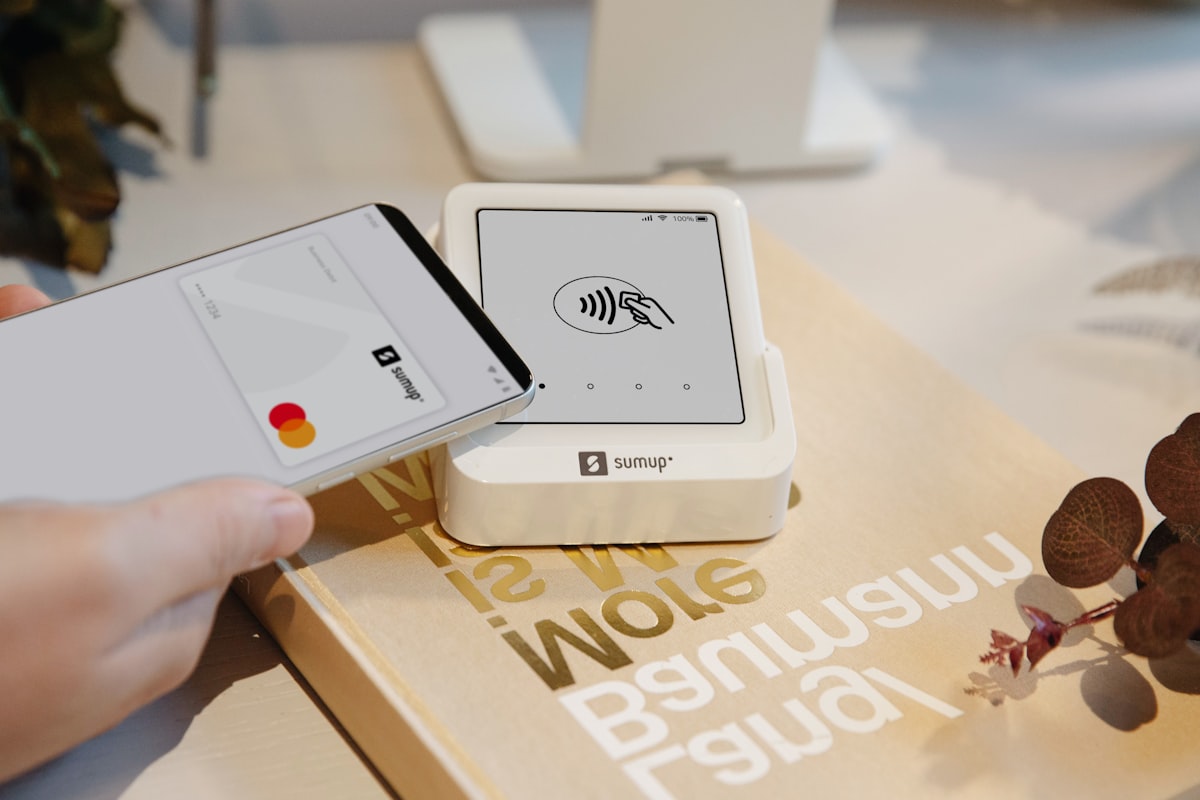
    Revolut is a digital bank account and prepaid card that you manage entirely through a smartphone app. You load money onto it from your regular bank account, and then spend it abroad using the Revolut card — either a physical card or via Apple Pay or Google Pay on your phone.

    The key advantage over a traditional debit or credit card is the exchange rate. Most high street banks add a margin of 2–3% on top of the interbank rate when you spend abroad — sometimes more. Revolut uses the interbank rate directly, which is the best rate available. On a two-week European holiday spending £2,000, that difference alone can save £40–£60.

    How do you keep your money safe if the card is lost or stolen?

    This is worth thinking about before you travel, and one approach that works particularly well is to keep only a limited amount on your Revolut card at any one time — for example, £500. If the card is stolen, the maximum you can lose is capped at that amount, while your main bank account and savings remain completely untouched.

    You can top up quickly from your regular bank account via the app, so running low is never a problem — you simply transfer more when needed. Revolut also lets you freeze the card instantly from the app if you suspect it has been lost or compromised, and you can set spending limits and disable certain transaction types (such as online payments or ATM withdrawals) as an added layer of control.

    How does multi-currency spending work?

    Revolut allows you to hold and exchange over 30 different currencies within the app. You can convert money in advance — useful if you want to lock in a rate before a trip — or simply let the app convert automatically when you spend.

    On the free Standard plan, fee-free currency exchange is available on weekdays up to £1,000 per month. Beyond that limit, a small fee applies (typically around 0.5%). On paid plans (Premium, Metal, and Ultra), the limit increases significantly — up to unlimited exchange on the top tiers. For most leisure travellers, the Standard plan’s £1,000 monthly limit is more than sufficient.

    One important note: Revolut applies a small weekend surcharge on currency exchange (typically 0.5–1%) to account for currency markets being closed on Saturdays and Sundays. If you are planning a large currency conversion, doing it on a weekday is marginally better value.

    Can you withdraw cash abroad without paying fees?

    Yes — up to a monthly limit, depending on your plan:

    • Standard (free): £200 per month fee-free, then 2% on amounts above that
    • Plus (£3.99/month): £200 per month fee-free
    • Premium (£7.99/month): £400 per month fee-free
    • Metal (£14.99/month): £800 per month fee-free
    • Ultra (£45/month): £2,000 per month fee-free

    Note that some local ATM operators charge their own fees regardless of which card you use — this is increasingly common in tourist areas. Always select the option to be charged in the local currency (not pounds) to avoid the ATM’s own poor exchange rate.

    What is Travel Mode and is it useful?

    Introduced in 2025, Travel Mode is a dedicated section within the Revolut app that activates when you are abroad. It provides:

    • Hyper-local recommendations — restaurants, attractions, and services near your location
    • ATM maps — showing nearby cash machines, useful in unfamiliar areas
    • Travel spend controls — set daily or trip budgets directly within the app
    • Spend Map — a visual breakdown of where you have spent money by country and category, helpful for tracking holiday spending

    The Spend Map in particular is a feature that many regular Revolut users find genuinely useful — it gives you a clear picture of what each trip actually cost, broken down by category, without having to go through bank statements manually.

    What is an eSIM and can Revolut provide one?

    An eSIM is a digital SIM card built into your phone that lets you connect to a local mobile network abroad without swapping out your physical SIM. This means you can use local data rates — which are often significantly cheaper than your UK provider’s roaming charges — while keeping your UK number active for calls and texts.

    Revolut allows you to purchase local eSIMs directly within the app, covering destinations across Europe, the Americas, Asia, and beyond. This is a genuinely useful addition for travellers who use a lot of data or who visit countries where roaming charges remain high. Your phone needs to be eSIM-compatible — most smartphones made after 2020 are, but it is worth checking before your trip.

    How does the RevPoints loyalty scheme work?

    RevPoints are Revolut’s loyalty points, earned on everyday card spending and through bookings made via Revolut Stays — the app’s accommodation platform, which offers access to over 1.8 million properties worldwide.

    Points can be redeemed for:

    • Air miles — transferred to partner airlines including British Airways (Avios), KLM, and Air France
    • Hotel discounts — for example, 5,000 points can provide up to €100 off a stay booked through the app
    • Revolut Experiences — local activities such as walking tours, yacht cruises, hot air balloon rides, and spa breaks

    The earn rate depends on your plan — paid plan holders earn points faster. For occasional travellers on the Standard plan, points accumulate slowly, but for regular users they represent a useful bonus on spending you would make anyway.

    Is it worth paying for a Premium, Metal, or Ultra plan?

    The paid plans add a meaningful set of travel benefits:

    • Airport lounge access — discounted or unlimited depending on tier (useful if you travel frequently and do not already have lounge access via a credit card)
    • Travel insurance — medical and travel cover included with Premium and above, which could offset the monthly cost if you would otherwise buy a separate policy
    • Higher ATM limits — as detailed above
    • Faster RevPoints earning

    For most people who travel two or three times a year, the Standard plan is perfectly adequate. The Premium plan at £7.99/month becomes worth considering if you would otherwise pay separately for travel insurance — a standalone annual European travel insurance policy can easily cost £50–£100 or more, so the maths can work in Premium’s favour.

    What should you watch out for?

    • Revolut is not a full bank — in the UK it holds a banking licence but your deposits are protected under the Financial Services Compensation Scheme (FSCS) up to £85,000, the same as a high street bank. However, it is still prudent not to use it as your only account.
    • Weekend exchange rates — as noted, a small surcharge applies on Saturdays and Sundays
    • Local ATM fees — outside Revolut’s control; always choose to pay in local currency
    • App dependency — everything is managed through the app, so ensure your phone is charged and you have a backup payment method

    Getting started with Revolut

    Download the app: revolut.com — available on iPhone and Android, free to download
    Compare plans: revolut.com/pricing
    Check eSIM compatibility: Settings → About on your phone, or check with your handset manufacturer

    Advertisement

    Your name was no accident.

    NumberVeil turns your full name into a free personalised numerology reading — your Expression, Soul Urge and Personality numbers, revealed in seconds.

    Get your free reading →

  • Could a scammer really sound exactly like your son or daughter on the phone?

    Could a scammer really sound exactly like your son or daughter on the phone?

    Yes — using AI, fraudsters can now clone a family member’s voice from just three seconds of audio and use it to call you pretending there is an emergency. These voice cloning scams are growing fast in the UK in 2026. The good news: setting up a simple family “safe word” is free, takes five minutes, and is the most effective defence available.

    What is a voice cloning scam?

    AI voice cloning is technology that can copy the way a person speaks — capturing their tone, accent, rhythm, and speech patterns — and then generate a fake recording that says anything the scammer wants. Until recently, creating a convincing fake voice required hours of recordings and technical expertise. Now, cheap or free apps can produce a convincing clone from as little as three seconds of audio.

    Fraudsters use this technology to call you and pretend to be someone you love. A typical scenario: you receive a call that sounds exactly like your daughter saying she has been in an accident, lost her wallet, and urgently needs you to transfer money or buy gift cards. The voice is hers. The accent, the way she says “Mum” or “Dad” — it all sounds right. But it is not her.

    How do scammers get hold of your family’s voice?

    Three seconds of audio is all that is needed. Scammers harvest voice clips from places you might not think twice about:

    • Social media videos on Facebook, TikTok, Instagram, or YouTube
    • Voicemail greetings (“Hi, I can’t take your call right now…”)
    • Voice messages sent in WhatsApp group chats
    • Interview clips, podcast appearances, or videos posted by employers

    If anyone in your family has ever posted a video online, their voice is potentially available to a scammer. This is not a reason to panic — it is a reason to prepare. One simple precaution is all you need.

    What does a voice cloning scam call actually sound like?

    Convincing — that is the honest answer. The cloned voice will have your family member’s accent and speech patterns. The call may also appear to come from a number that looks like your contact’s, because scammers can spoof caller ID to show any number they choose. Two fake signals combining — the right-sounding voice and the right-looking number — can make even a sceptical person hesitate.

    Common urgency scripts used in voice cloning calls include:

    • “I’ve been in an accident and I need money straight away”
    • “I’ve been arrested abroad — please don’t tell anyone, just send the bail money”
    • “My phone is broken, this is a friend’s number — please transfer the money now”
    • “The hospital needs a payment before they will treat me”

    It is worth remembering: the NHS never charges for emergency treatment, and no genuine emergency — legal, medical, or otherwise — will ever ask you to pay by gift card. These are universal warning signs of a scam, regardless of how convincing the voice sounds.

    How does a family safe word protect you — and how do you set one up?

    The most effective defence against voice cloning scams is also the simplest: agree a secret code word with your closest family members. Choose something personal and easy to remember — a favourite film, a childhood pet’s name, a made-up word — but nothing that a stranger could guess from your social media.

    If you receive a call that sounds like a family member in distress, stay calm and ask for the safe word before you do anything else. A cloned voice cannot answer a question it was never trained on. If the caller cannot give the correct word, hang up immediately and call your family member back on the number you have stored in your own contacts.

    Security experts and police forces across the UK — including the Royal Borough of Greenwich and Northumberland County Council, both of which have issued public warnings about these calls — recommend the safe word as the single most practical step you can take. It costs nothing and takes five minutes to set up. Do it this week.

    What other steps can you take to stay safe?

    • Register with the Telephone Preference Service (TPS): Free to join at tpsonline.org.uk — reduces cold calls, though it does not block all scam numbers.
    • Never pay by gift card: No real emergency, court, HMRC debt, or family crisis will ever ask you to pay with iTunes, Amazon, or Google Play gift cards. Always a scam.
    • Hang up and call back independently: If a call makes you anxious, hang up. Wait a few minutes, then call the person or organisation directly using a number you find yourself — not one given to you on the call.
    • Talk to family about social media privacy: Ask your children or grandchildren to set their accounts to private and be cautious about public voice or video content.
    • Trust your instincts: Scammers rely on urgency and panic to override your better judgement. If something feels wrong, it probably is. Pausing to check is always the right move.

    What should you do if you think you have received a voice cloning scam call?

    Whether or not you sent any money, it is worth reporting what happened. Doing so helps protect other people and is nothing to be ashamed of — these scams are highly sophisticated and catch people of every age and background.

    • Report Fraud: Call 0300 123 2040 or visit reportfraud.police.uk
    • Action Fraud: The UK’s national fraud reporting centre — actionfraud.police.uk
    • Contact your bank immediately if you transferred money. Under APP fraud reimbursement rules introduced in 2024, UK banks are required to refund most victims of authorised push payment scams — so act quickly and there is a good chance you can recover your money.

    Key takeaway

    Voice cloning scams use AI to impersonate people you love, and they are becoming more common across the UK in 2026. The single best protection is a family safe word — a secret word only your family knows, which you ask for if a call ever feels wrong. It is free, takes five minutes, and could save you thousands of pounds. Set yours up today.

    Advertisement

    Your name was no accident.

    NumberVeil turns your full name into a free personalised numerology reading — your Expression, Soul Urge and Personality numbers, revealed in seconds.

    Get your free reading →

  • Is that really your son or daughter texting you? How to spot a WhatsApp family impersonation scam

    Is that really your son or daughter texting you? How to spot a WhatsApp family impersonation scam

    Quick answer: If you receive a WhatsApp message from an unknown number claiming to be your son, daughter, or grandchild — saying their phone is broken and they urgently need money — stop. Do not send anything. Call or text them on their usual number first. This is called the family impersonation scam, and it is one of the fastest-growing frauds in the UK right now, costing victims an average of £1,740 each time.

    How does the WhatsApp family impersonation scam work?

    It usually starts with a message arriving out of the blue on WhatsApp from a number you do not recognise. The person claims to be a family member — most often a son, daughter, or grandchild — and explains that they have a new number because their old phone was lost, broken, or stolen.

    Once you reply, the conversation quickly turns to an urgent request for money. The story might be that they need to pay an overdue bill, have had their wallet stolen, or are stuck somewhere and need cash to get home. There is always a reason why they cannot simply go to a bank themselves, and there is always pressure to act quickly before you have time to think it through.

    They may send follow-up messages if you do not respond straight away, each one increasing the sense of panic. Once money is transferred — usually via bank transfer — it is extremely difficult to recover.

    Why are these messages so convincing?

    Scammers are skilled at creating a sense of familiarity and urgency. A message that reads “Hi Mum, it’s me, I’ve broken my phone, please save this number” sounds completely plausible — especially if you know your loved ones do occasionally lose or damage their devices.

    The messages are also deliberately vague enough to fit almost any family. You might assume it is your son because you have a son, even though the scammer sent the same message to thousands of people that day. Fraudsters count on the fact that love for family overrides caution — and it often works.

    WhatsApp scam activity rose 32 per cent in 2025, and UK Finance reported that criminals stole £629.3 million in the first half of 2025 alone. These are not rare, opportunistic crimes — they are organised, large-scale operations.

    What are the warning signs to look out for?

    Keep these red flags in mind whenever you receive an unexpected message from an unknown number:

    • New number, urgent problem. Real family members who get a new number do not usually lead with a request for money.
    • Pressure to act quickly. Scammers want you to act before you stop and think. A genuine family member will understand if you need five minutes to verify who they are.
    • Reasons you cannot call them back. If the person says their phone can only receive WhatsApp messages but not calls, that is a major warning sign.
    • Requests for bank transfers. Scammers prefer bank transfers because they are fast and hard to reverse. They may also ask for gift cards or payment apps.
    • Vague personal details. If the person cannot answer a simple, specific question that only your real family member would know, trust your instincts.

    How can you protect yourself before a scam attempt happens?

    The most effective thing you can do right now — before any message arrives — is to set up a family safe word. This is a word or short phrase known only to you and your close family, which anyone can ask for if they ever contact you from an unknown number in an emergency. A scammer will not know it. Your real son or daughter will.

    There are a few other steps worth taking today:

    • Turn on two-step verification in WhatsApp. Go to Settings → Account → Two-step verification and set a six-digit PIN. This makes it much harder for scammers to take over a real account in your contacts.
    • Talk to your family about this scam. Make sure your children and grandchildren know you will always call before sending money, whatever the message says.
    • Save your family members’ numbers carefully. That way, if someone messages you from a number not in your contacts claiming to be a relative, you will notice immediately.
    • Never share WhatsApp verification codes. If someone you do not know asks for a six-digit code “accidentally” sent to your phone, do not pass it on under any circumstances — this is how accounts are hijacked.

    What should you do if you receive one of these messages?

    If you get a message from an unknown number claiming to be a family member, here is exactly what to do:

    1. Do not reply yet. Close the conversation and go to your contacts.
    2. Call or text your family member on their real, saved number. If they answer or reply normally, you have your answer — it was a scam.
    3. If you cannot reach them, ask a family safe word question before doing anything else.
    4. Report the message. Press and hold the message in WhatsApp, tap Report, then follow the instructions. You can also report it to the UK’s fraud service at reportfraud.police.uk or by calling 0300 123 2040. (Note: Action Fraud was replaced by this new Report Fraud service in December 2025.)
    5. If you have already sent money, call your bank immediately. Ask them to try to recall the payment. The sooner you call, the better the chance of recovery.

    What is WhatsApp doing to tackle these scams?

    WhatsApp removed 6.8 million scam accounts in 2025, and the platform has introduced new features to flag messages from unknown numbers. When you receive a message from someone not in your contacts, WhatsApp now shows a warning banner and a button to block or report the sender before you even reply.

    These tools help, but they are not foolproof. Scammers create new accounts quickly, and the messages are designed to look personal enough that warning banners are easy to dismiss when you are worried about a family member. Your best protection is always the pause-and-verify habit: stop, check, then decide.

    What are the key things to remember?

    • Always verify first. Call or text your family member on their saved number before doing anything else — every single time.
    • Set up a family safe word today. It takes two minutes and could save thousands of pounds.
    • Urgency is a tactic, not a reason. Real emergencies can wait five minutes for you to check. Scams cannot afford to.
    • Report it at reportfraud.police.uk or 0300 123 2040 — even if you were not taken in. Reports help protect others.

    Advertisement

    Your name was no accident.

    NumberVeil turns your full name into a free personalised numerology reading — your Expression, Soul Urge and Personality numbers, revealed in seconds.

    Get your free reading →

  • What does the new leasehold reform mean for you if you own a flat?

    What does the new leasehold reform mean for you if you own a flat?

    Quick answer: The government confirmed a new Commonhold and Leasehold Reform Bill in the King’s Speech on 13 May 2026. Ground rents will be capped at £250 a year and will eventually fall to zero after 40 years. If you own a leasehold flat and currently pay more than £250, you could save thousands of pounds — though most changes are not expected to take effect until around 2028.

    What is leasehold and why does it matter to flat owners?

    If you own a flat in England or Wales, there is a good chance you are a leaseholder. This means you own the right to live in your home for a fixed period — usually 99, 125 or 999 years — but you do not own the land or the building itself. The freeholder (the company or person who does own the building) can charge you ground rent, service charges, and other fees for as long as you live there.

    For many people, ground rent started out as a modest annual charge — perhaps £100 or £200 a year. But some leases include clauses that allow ground rent to double every ten or fifteen years. People who bought flats in the 2000s and 2010s in particular have found themselves with ground rents that have grown to £1,000, £2,000 or more a year — and which have made their properties difficult or impossible to sell or remortgage.

    What did the government announce in the King’s Speech?

    On 13 May 2026 — just yesterday — the government confirmed it will bring forward a Commonhold and Leasehold Reform Bill. This builds on the Leasehold and Freehold Reform Act 2024 and goes further, with four major proposals:

    • A cap on ground rents at £250 a year — for all existing residential long leases in England and Wales
    • A 40-year phaseout to zero — after the cap takes effect, ground rent will eventually drop to a peppercorn (effectively £0)
    • Commonhold as the default tenure — new flats sold in future would be owned outright rather than via a time-limited lease
    • Abolition of forfeiture — currently a freeholder can theoretically force you to lose your entire home over an unpaid ground rent bill. This would end.

    How much could you actually save on ground rent?

    The government estimates that between 770,000 and 900,000 leaseholders currently pay more than £250 a year in ground rent. Around 490,000 to 590,000 of these are in London and the South East, where ground rents have historically been highest.

    If you currently pay £1,000 a year and it is capped at £250, that is a saving of £750 a year — or £7,500 over ten years. The government says many leaseholders will save more than £4,000 over the remaining term of their lease.

    A practical step worth taking now: dig out your lease documents and check what your current ground rent is, and whether it includes a review clause. If you cannot find the documents, your solicitor from when you bought should have copies — or you can order them from HM Land Registry online for a small fee (usually £3 to £7 per document).

    Can you extend your lease, and is it worth doing now?

    One important change already in effect — introduced in February 2025 as part of the Leasehold and Freehold Reform Act — is that you no longer need to have owned your flat for two years before you can extend your lease. You can apply from the very day you buy the property.

    This matters because a lease with fewer than 80 years remaining becomes significantly harder to sell and considerably more expensive to extend. If your lease has under 90 years left, it is worth taking advice sooner rather than later. When you extend your lease under the new statutory route, the ground rent is also reduced to a peppercorn — meaning you stop paying it altogether, right now.

    You have two routes: negotiating informally with your freeholder, or using your statutory right to a 90-year extension on top of what remains. The statutory route gives stronger protections and sets the ground rent to zero. A specialist leasehold solicitor can advise which suits your situation. The Leasehold Advisory Service (LEASE) offers free initial guidance at lease-advice.org.

    What is changing with service charges?

    Service charges — which cover building maintenance, insurance, cleaning of communal areas and lift servicing — have long been a source of frustration for flat owners. In some London blocks, residents pay £5,000 a year or more, often with little transparency about where the money goes.

    Since 2026, freeholders are required to use a standardised format for service charge invoices. You should now receive a clearer breakdown of costs, an annual performance report, and confirmation that any insurance commissions paid to the freeholder are fair and transparent.

    If you believe your service charges are unreasonably high, you have the right to challenge them through the First-tier Tribunal (Property Chamber) — and the reforms limit the freeholder’s ability to make you pay their legal costs if you do so. LEASE can help you understand the process before you commit.

    When will all these changes actually come into effect?

    The honest answer is: not all at once. Some protections are already in place today. But the ground rent cap and the shift to commonhold are still working through Parliament and legal experts broadly expect them to come into force around 2028.

    Here is a summary of what is already in force versus what is coming:

    • Already in force (February 2025): You can extend your lease from Day One of ownership, and doing so eliminates your ground rent
    • Already in force (2026): Standardised service charge invoices; leaseholders cannot be made liable for certain freeholder legal costs; more leaseholders can apply for Right to Manage
    • Expected around 2028: Ground rent cap at £250; 40-year phaseout to zero; abolition of forfeiture; commonhold as default for new-build flats

    If you own a leasehold flat and are concerned about your ground rent or the length of your remaining lease, the best thing you can do right now is get an up-to-date valuation and speak to a specialist. The reforms are coming — but you do not have to wait for them to start protecting yourself.

    Key takeaways

    • The King’s Speech on 13 May 2026 confirmed a new Commonhold and Leasehold Reform Bill
    • Ground rents will be capped at £250 a year and phased out to zero over 40 years
    • Around 900,000 leaseholders could benefit, saving £4,000 or more over their lease
    • You can already extend your lease from Day One of ownership — and doing so eliminates your ground rent now
    • Full reforms are expected around 2028 — but get advice now if your lease is under 80 years
    • Free advice: LEASE (Leasehold Advisory Service) at lease-advice.org

    Advertisement

    Your name was no accident.

    NumberVeil turns your full name into a free personalised numerology reading — your Expression, Soul Urge and Personality numbers, revealed in seconds.

    Get your free reading →
  • What do you need to know about travelling abroad after 55 — insurance, health checks and practical tips?

    What do you need to know about travelling abroad after 55 — insurance, health checks and practical tips?

    Travelling abroad in your later years can be more rewarding than ever — with more time, more freedom, and a clearer sense of what you actually enjoy. But it does require a bit more planning, particularly around travel insurance and health. Get that right, and everything else tends to follow.

    Why is travel insurance so important after 55 — and why is it harder to get?

    Travel insurance exists to protect you against two main risks: cancellation costs if you cannot travel, and medical costs if you fall ill abroad. Medical costs are where it matters most — a hospital stay in the USA, for example, can cost tens of thousands of pounds per day. Without insurance, those costs fall entirely on you.

    After 55, and particularly after a health diagnosis, standard travel insurance becomes harder to find and more expensive — because insurers assess you as a higher risk of making a claim. Many people make the mistake of either not declaring health conditions (which invalidates the policy entirely) or buying cheap insurance that excludes everything relevant.

    What health conditions do you need to declare to an insurer?

    You must declare any pre-existing medical condition — meaning any illness, injury, or condition you have been diagnosed with, received treatment for, or taken medication for before buying the policy. This includes conditions that feel minor or well-controlled, such as:

    • High blood pressure
    • Type 2 diabetes
    • Arthritis
    • A history of cancer (even if in remission)
    • Heart conditions
    • Depression or anxiety

    Failing to declare a condition is not just risky — it means the insurer can refuse to pay any claim at all, even for something completely unrelated to the undeclared condition. Always declare everything and let the insurer decide what to cover.

    Where do you find travel insurance that covers existing health conditions?

    Standard comparison sites (Compare the Market, GoCompare) do include some specialist insurers, but for complex medical histories it is worth going directly to specialists. Several insurers focus specifically on older or less well travellers:

    • Avanti — strong for pre-existing conditions, including cancer
    • Free Spirit — designed for people with serious conditions
    • AllClear — specialises in medical travel insurance
    • Staysure — popular with the 50+ market
    • Age Co Travel Insurance — backed by Age UK, no upper age limit

    The Money and Pensions Service (part of MoneyHelper) also runs a directory of travel insurers for people with serious medical conditions: moneyhelper.org.uk/travel-insurance.

    What is a Global Health Insurance Card (GHIC) — and do you still need insurance?

    The GHIC (which replaced the European Health Insurance Card / EHIC after Brexit) gives you access to state-provided healthcare in EU countries at the same cost as locals — which in many countries means free or heavily subsidised. It is free to get via the NHS website.

    However, the GHIC is not a substitute for travel insurance. It does not cover private healthcare, repatriation back to the UK, cancellation costs, or lost luggage. Always take out proper travel insurance as well as a GHIC.

    How do you manage prescription medication when travelling abroad?

    • Take more than you need — carry enough medication for the full trip plus a few extra days in case of delays
    • Keep medication in your hand luggage, not in checked bags that could be lost or delayed
    • Carry a letter from your GP listing your medications, dosages, and the generic (not just brand) names — essential for airport security and if you need emergency treatment
    • Check the rules at your destination — some medications are controlled substances in certain countries; your GP or the relevant embassy can advise
    • Time zones and medication timing — ask your GP or pharmacist whether your dosing schedule needs adjusting on long-haul flights

    What practical steps make long flights more comfortable?

    • Move regularly — walk the aisle every hour and do seated leg exercises to reduce DVT risk
    • Wear compression socks — particularly if you have any circulatory issues; ask your GP if you are unsure
    • Stay hydrated — aircraft cabins are very dry; drink water regularly and limit alcohol and caffeine
    • Aisle seats give you easier access to the toilet and let you stretch without disturbing others
    • Bulkhead or exit row seats offer more legroom — worth paying for on a long flight

    Are there cruises or tour operators that cater particularly well to over 55s?

    Yes — and this sector has expanded significantly. Cruises remain popular for older travellers because they combine travel with consistent accommodation, good food, and medical facilities on board. Lines with a strong reputation for older travellers include P&O Cruises, Saga Cruises (exclusively 50+), and Cunard.

    Saga also offers escorted and independent tours for the 50+ market, with travel insurance included in many packages. Riviera Travel and Titan Travel are well regarded for cultural tours with a slower pace and high service standards.

    Key travel resources

    GHIC (free, via NHS): nhs.uk/ghic
    Travel insurance for medical conditions: moneyhelper.org.uk/travel-insurance
    Foreign travel advice by country: gov.uk/foreign-travel-advice

    Advertisement

    Your name was no accident.

    NumberVeil turns your full name into a free personalised numerology reading — your Expression, Soul Urge and Personality numbers, revealed in seconds.

    Get your free reading →