
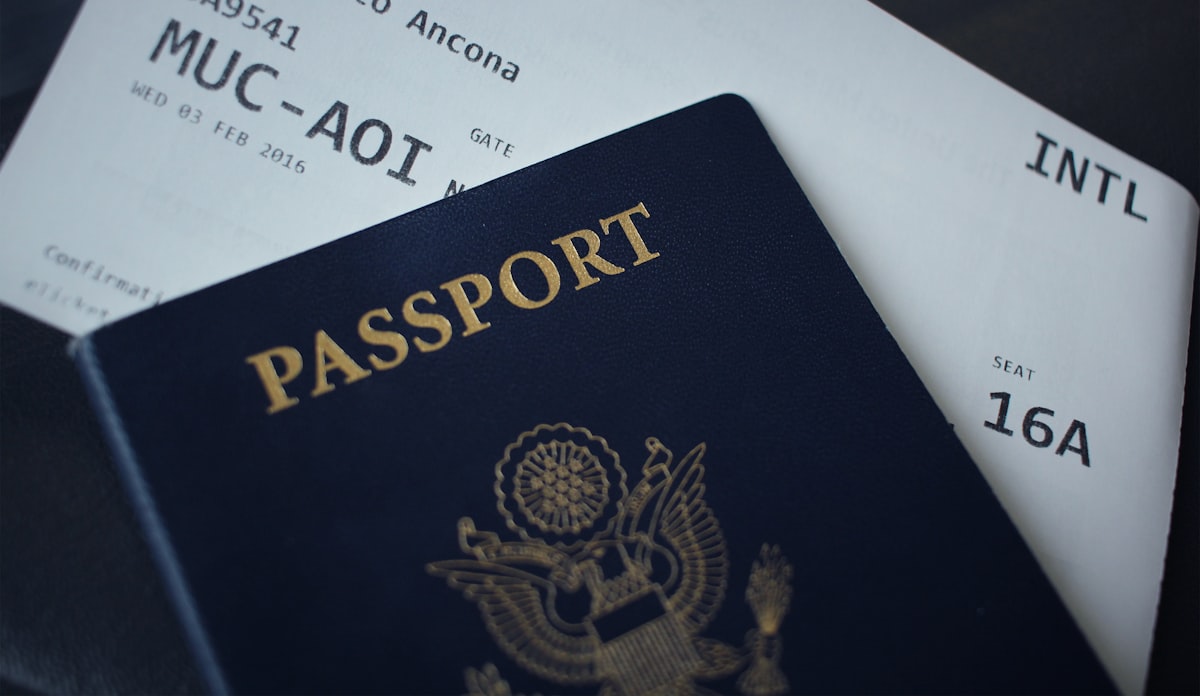
Travelling abroad in your later years can be more rewarding than ever — with more time, more freedom, and a clearer sense of what you actually enjoy. But it does require a bit more planning, particularly around travel insurance and health. Get that right, and everything else tends to follow.
Why is travel insurance so important after 55 — and why is it harder to get?
Travel insurance exists to protect you against two main risks: cancellation costs if you cannot travel, and medical costs if you fall ill abroad. Medical costs are where it matters most — a hospital stay in the USA, for example, can cost tens of thousands of pounds per day. Without insurance, those costs fall entirely on you.
After 55, and particularly after a health diagnosis, standard travel insurance becomes harder to find and more expensive — because insurers assess you as a higher risk of making a claim. Many people make the mistake of either not declaring health conditions (which invalidates the policy entirely) or buying cheap insurance that excludes everything relevant.
What health conditions do you need to declare to an insurer?
You must declare any pre-existing medical condition — meaning any illness, injury, or condition you have been diagnosed with, received treatment for, or taken medication for before buying the policy. This includes conditions that feel minor or well-controlled, such as:
- High blood pressure
- Type 2 diabetes
- Arthritis
- A history of cancer (even if in remission)
- Heart conditions
- Depression or anxiety
Failing to declare a condition is not just risky — it means the insurer can refuse to pay any claim at all, even for something completely unrelated to the undeclared condition. Always declare everything and let the insurer decide what to cover.
Where do you find travel insurance that covers existing health conditions?
Standard comparison sites (Compare the Market, GoCompare) do include some specialist insurers, but for complex medical histories it is worth going directly to specialists. Several insurers focus specifically on older or less well travellers:
- Avanti — strong for pre-existing conditions, including cancer
- Free Spirit — designed for people with serious conditions
- AllClear — specialises in medical travel insurance
- Staysure — popular with the 50+ market
- Age Co Travel Insurance — backed by Age UK, no upper age limit
The Money and Pensions Service (part of MoneyHelper) also runs a directory of travel insurers for people with serious medical conditions: moneyhelper.org.uk/travel-insurance.
What is a Global Health Insurance Card (GHIC) — and do you still need insurance?
The GHIC (which replaced the European Health Insurance Card / EHIC after Brexit) gives you access to state-provided healthcare in EU countries at the same cost as locals — which in many countries means free or heavily subsidised. It is free to get via the NHS website.
However, the GHIC is not a substitute for travel insurance. It does not cover private healthcare, repatriation back to the UK, cancellation costs, or lost luggage. Always take out proper travel insurance as well as a GHIC.
How do you manage prescription medication when travelling abroad?
- Take more than you need — carry enough medication for the full trip plus a few extra days in case of delays
- Keep medication in your hand luggage, not in checked bags that could be lost or delayed
- Carry a letter from your GP listing your medications, dosages, and the generic (not just brand) names — essential for airport security and if you need emergency treatment
- Check the rules at your destination — some medications are controlled substances in certain countries; your GP or the relevant embassy can advise
- Time zones and medication timing — ask your GP or pharmacist whether your dosing schedule needs adjusting on long-haul flights
What practical steps make long flights more comfortable?
- Move regularly — walk the aisle every hour and do seated leg exercises to reduce DVT risk
- Wear compression socks — particularly if you have any circulatory issues; ask your GP if you are unsure
- Stay hydrated — aircraft cabins are very dry; drink water regularly and limit alcohol and caffeine
- Aisle seats give you easier access to the toilet and let you stretch without disturbing others
- Bulkhead or exit row seats offer more legroom — worth paying for on a long flight
Are there cruises or tour operators that cater particularly well to over 55s?
Yes — and this sector has expanded significantly. Cruises remain popular for older travellers because they combine travel with consistent accommodation, good food, and medical facilities on board. Lines with a strong reputation for older travellers include P&O Cruises, Saga Cruises (exclusively 50+), and Cunard.
Saga also offers escorted and independent tours for the 50+ market, with travel insurance included in many packages. Riviera Travel and Titan Travel are well regarded for cultural tours with a slower pace and high service standards.
Key travel resources
GHIC (free, via NHS): nhs.uk/ghic
Travel insurance for medical conditions: moneyhelper.org.uk/travel-insurance
Foreign travel advice by country: gov.uk/foreign-travel-advice
Advertisement
Your name was no accident.
NumberVeil turns your full name into a free personalised numerology reading — your Expression, Soul Urge and Personality numbers, revealed in seconds.
Get your free reading →
Leave a Reply