
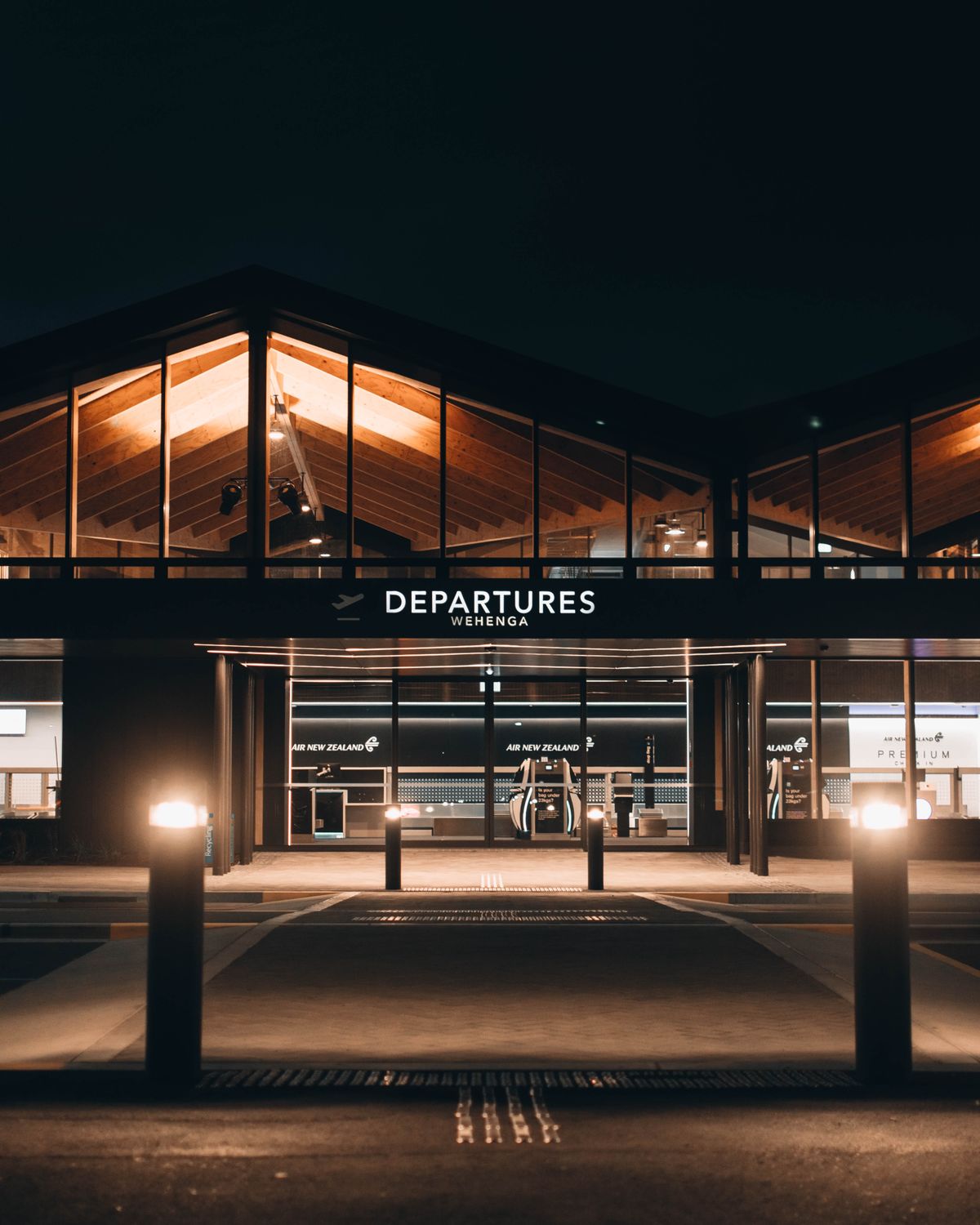
Since April 2026, the EU has been rolling out a new digital border check called the Entry/Exit System (EES). Instead of getting your passport stamped, you’ll now have your fingerprints and photo taken at the border. It can add extra time at passport control, so it’s worth knowing what to expect before your next European trip — and what help is available if you need it.
What is the EES, and why has it been introduced?
The Entry/Exit System is a new digital database used at the external borders of the Schengen area — the group of European countries, including popular UK holiday destinations such as Spain, France, Italy, Greece and Portugal, that share common border rules. It replaces the old system of getting a physical stamp in your passport when you enter or leave. Instead, non-EU nationals, including British passport holders, now have their fingerprints and a photograph taken and stored digitally, along with the date and place of entry and exit.
Children under 12 are exempt from giving fingerprints, though a photograph is usually still taken. The system applies to short stays of up to 90 days in any 180-day period, which covers the vast majority of UK holidays and short breaks.
How will EES affect you at the airport?
The main change is at passport control on arrival in — and departure from — a Schengen country. On your first trip after the system went live, you’ll need to register your fingerprints and photo, usually at a dedicated self-service kiosk or with a border officer. Once you’re registered, subsequent trips should be quicker, as the system recognises your biometric details rather than starting from scratch each time.
Where routine passport checks used to take around 20 to 25 seconds per person, the initial EES registration can take closer to 90 seconds. Multiply that across a busy flight, and it’s easy to see why some airports have reported longer queues since the system started.
Will you need to queue for longer?
Possibly, especially at busier airports and during peak holiday periods. How much of a difference it makes seems to vary a lot by airport and by time of day, so it’s sensible to build in extra time rather than assume it will be quick. If you’re booking a return flight or connecting onward journey, try not to cut your arrival window too fine.
- Allow extra time at both departure and arrival, particularly for your first trip after the system started
- Travel at quieter times of day where your itinerary allows
- Check your specific airport’s guidance in advance, as procedures vary between countries and even between terminals
Can you get help if you have mobility or health needs?
Yes. Longer queues can be particularly difficult if you have reduced mobility, a temporary injury, or a condition that makes standing for long periods hard. Some airports have introduced fast-track arrangements for this reason. In Spain, for example, border officers have been told to move families, disabled passengers and other vulnerable travellers into a manual fast-track lane if the wait at the automated biometric gates goes over 25 minutes.
Support varies from airport to airport, so it’s worth booking any assistance you need — such as a wheelchair or help through the airport — before you travel, in the same way you would for any other flight. If you use a mobility aid, airports are still required to provide help getting through border control, and many are introducing accessible versions of the biometric equipment.
What about the ETIAS travel permit — do you need it yet?
You may have also seen headlines about ETIAS, a separate £17-ish (€20) online travel authorisation that UK travellers will eventually need to apply for before visiting most European countries, similar to the US ESTA scheme. It’s easy to confuse the two, but they’re not the same thing, and ETIAS is not yet required. Its launch, originally expected by the end of 2026, has since been pushed back, with a 2027 start now looking more likely. When it does launch, travellers under 18 or over 70 are expected to be exempt from the fee. There’s nothing you need to do about ETIAS for a trip booked now — but it’s worth keeping an eye on the official position before booking travel for later next year.
What can you do now to prepare for your next trip?
A little planning ahead makes the whole process far less stressful, especially the first time you go through it.
- Check your passport is valid for at least six months beyond your travel dates, as this rule still applies alongside EES
- Arrive at the airport earlier than you normally would, particularly for your first trip since the system started
- If you need mobility or other assistance, book it with the airport or your airline in advance rather than on the day
- Look up your specific departure and arrival airport’s EES guidance, as the experience can differ quite a bit from one airport to the next
Key takeaway
The EU’s new EES border check means UK travellers now have fingerprints and a photo taken at Schengen borders instead of a passport stamp. It can mean longer queues, especially on your first trip since it started in April 2026, but fast-track help is available for people who need it at some airports — just book assistance in advance and allow extra time. ETIAS is a separate, still-delayed scheme you don’t need to worry about yet.
Advertisement
Your name was no accident.
NumberVeil turns your full name into a free personalised numerology reading — your Expression, Soul Urge and Personality numbers, revealed in seconds.
Get your free reading →
Leave a Reply