
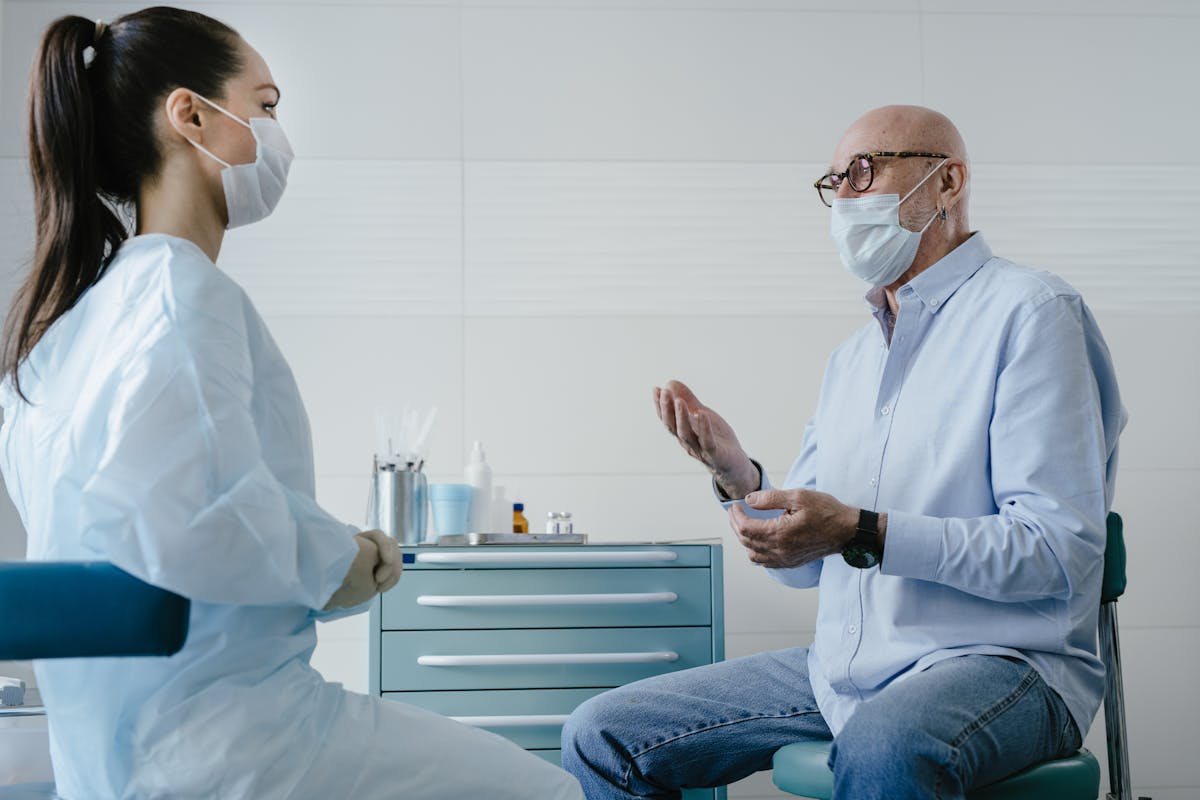
NHS Neighbourhood Health Centres are being rolled out across England in 2026, bringing GPs, physiotherapists, mental health support and community nurses together under one roof, closer to where you live. If you manage a long-term condition or simply want easier access to care without travelling to a hospital, this change is worth knowing about.
What exactly is a Neighbourhood Health Centre?
A Neighbourhood Health Centre is a new type of NHS facility designed to bring a wide range of health services together in your local community — rather than requiring you to travel to a hospital or visit multiple different clinics. The Government has committed to opening 250 of these centres across England as part of its NHS 10 Year Plan, with the first sites already open in 2026.
Think of it as a step up from your GP surgery. As well as seeing your doctor, you would be able to access physiotherapy, community nursing, mental health support, pharmacy services, and occupational therapy — all in one place, typically within your own neighbourhood.
Why is the NHS making this change?
The NHS has long recognised that too much care happens in hospitals when it could be delivered closer to home — particularly for people managing long-term conditions like diabetes, heart disease, arthritis, or COPD. Hospital appointments are inconvenient, often involve long waits, and can feel overwhelming. For people who have difficulty travelling, they can become a real barrier to getting the care they need.
Neighbourhood Health Centres are part of a wider shift towards prevention and early intervention — catching problems before they become serious, rather than waiting until someone is ill enough to need hospital treatment. For people aged 55 and over, who are more likely to be managing multiple health conditions, this approach could make a significant practical difference.
What services will be available?
While services will vary by location, the NHS guidance for Neighbourhood Health Centres indicates they should offer:
- GP appointments — your usual primary care, but potentially with faster access
- Physiotherapy — for joint pain, back problems, post-surgery recovery, and mobility issues
- Community nursing — for dressings, injections, and health monitoring without a hospital visit
- Mental health support — talking therapies and mental health practitioners based on site
- Pharmacy services — medication reviews and advice from a pharmacist
- Occupational therapy — help with daily living tasks and home adaptations
- Social prescribing — connecting you with local groups, activities, and support services
How is this different from what already exists?
Many of these services already exist in some form — but they are often scattered across different buildings, run by different organisations, with separate referral processes and waiting lists. The key difference with Neighbourhood Health Centres is integration: the teams work together, share information, and can refer you to a colleague down the corridor rather than sending you off with a letter and a six-week wait.
One particularly useful element for people managing several conditions is proactive care. Rather than waiting for you to book an appointment when something goes wrong, staff at these centres are expected to identify people who might be at risk — through frailty assessments, medication reviews, and regular check-ins — and reach out before a crisis develops. This is a meaningful shift from the current system, where many people only interact with the NHS when something has already gone wrong.
When and where will these centres open?
The rollout began in early 2026, with the first centres opening in London and other urban areas. Six sites in London were among the first to be upgraded. The plan is to expand to 250 centres across England over the course of the 10 Year Plan, prioritising areas with the greatest health inequalities.
To find out whether a centre is planned near you, the best starting point is your GP surgery or your local Integrated Care Board (ICB) — the NHS body responsible for planning healthcare in your area. You can find your ICB at NHS.uk by entering your postcode.
What should you do now to make the most of this change?
- Register with a GP if you are not already — Neighbourhood Health Centres work alongside GP practices; being registered is the gateway to everything else
- Ask your GP about the NHS App — it lets you book appointments, order prescriptions, and see your health record online, and will increasingly link to community services
- Request a medication review — if you take several medicines, a pharmacist-led review at a Neighbourhood Health Centre could simplify your regime and reduce side effects
- Ask about frailty assessments — if you or a relative have had falls, feel less steady on your feet, or tire easily, ask your GP about a frailty assessment; these are a core part of what Neighbourhood Health Centres are designed to support
You might also find this helpful
Key takeaway
Neighbourhood Health Centres are one of the most significant changes to NHS community care in a generation. For people over 55 — particularly those managing long-term conditions — they represent a genuine opportunity to get more joined-up support closer to home. Keep an eye on what is opening in your area, and do not hesitate to ask your GP how to access the new services as they come online.
Advertisement
Your name was no accident.
NumberVeil turns your full name into a free personalised numerology reading — your Expression, Soul Urge and Personality numbers, revealed in seconds.
Get your free reading →
Leave a Reply